lectures
The venue is The Henrician Evesham, Victoria Road, Evesham WR11 4QH where there is ample free parking. Coffee and drinks are available to purchase from 6:45 pm and lectures start at 7:45 pm.
LECTURE PROGRAMME AND CALENDAR 2026-2027
Wednesday 9th September 2026
7.15pm AGM | 7.45pm Lecture
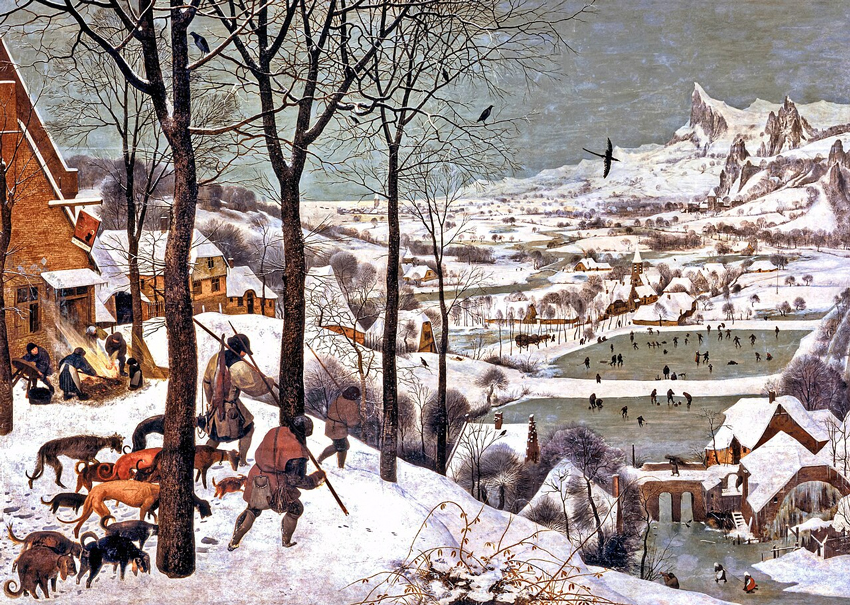
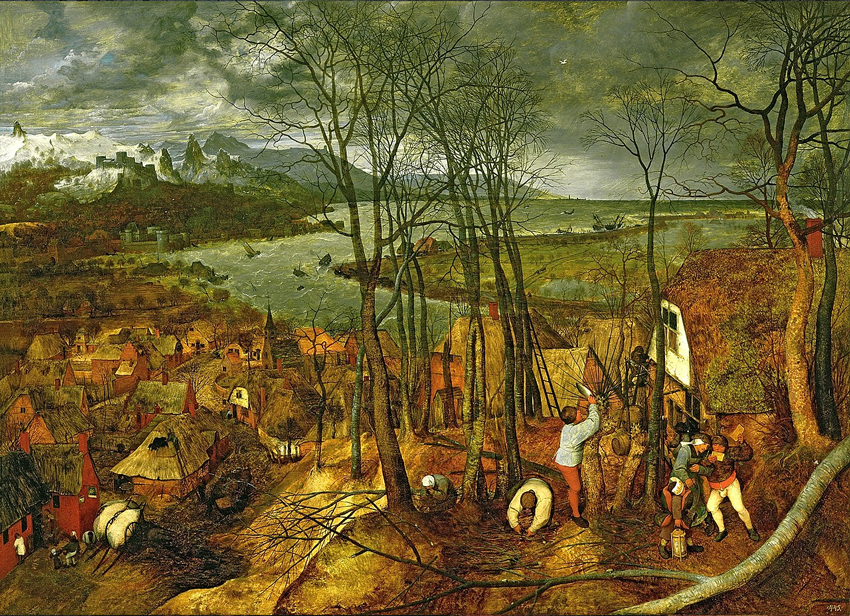
Bruegel, the Seasons and the World
Gavin Plumley
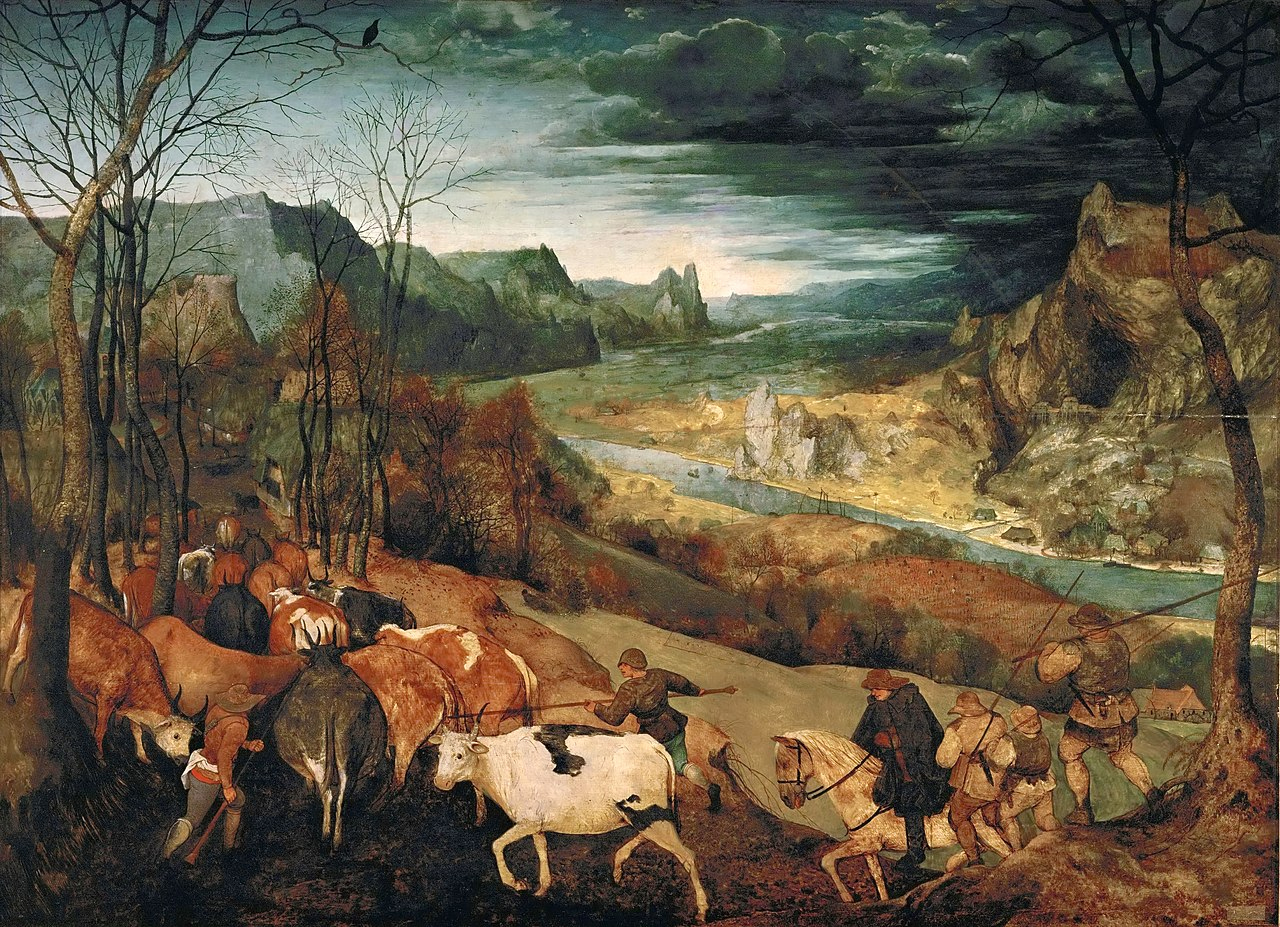
In 1565, Pieter Bruegel the Elder was commissioned to create a series of paintings for a dining room in Antwerp. The images, charting the course of a year, changed the way we view the world through art. Landscape had previously been a decorative backdrop to dramas both sacred and profane. But in Bruegel’s hands the landscape and our interaction with it became the focus.
Looking at paintings such as The Return of the Herd, Hunters in the Snow and The Gloomy Day, this lecture explores how Bruegel pioneered a whole new way of thinking about the environment and our individual places within a shifting cosmos.
Gavin Plumley is a writer and broadcaster. Appears on BBC Radio 3 and 4, and contributes to newspapers, magazines and opera and concert programmes worldwide. Lectures widely about the culture of Central Europe.
Recent appearances include Klimt and The Kiss in cinemas worldwide, and talks for the Hay and Cheltenham Literature Festivals, the Royal Opera House, the National Gallery, the National Trust, the National Theatre, the British Museum and the V&A.
His first book, A Home for All Seasons, is out now.
Wednesday 14th October 2026
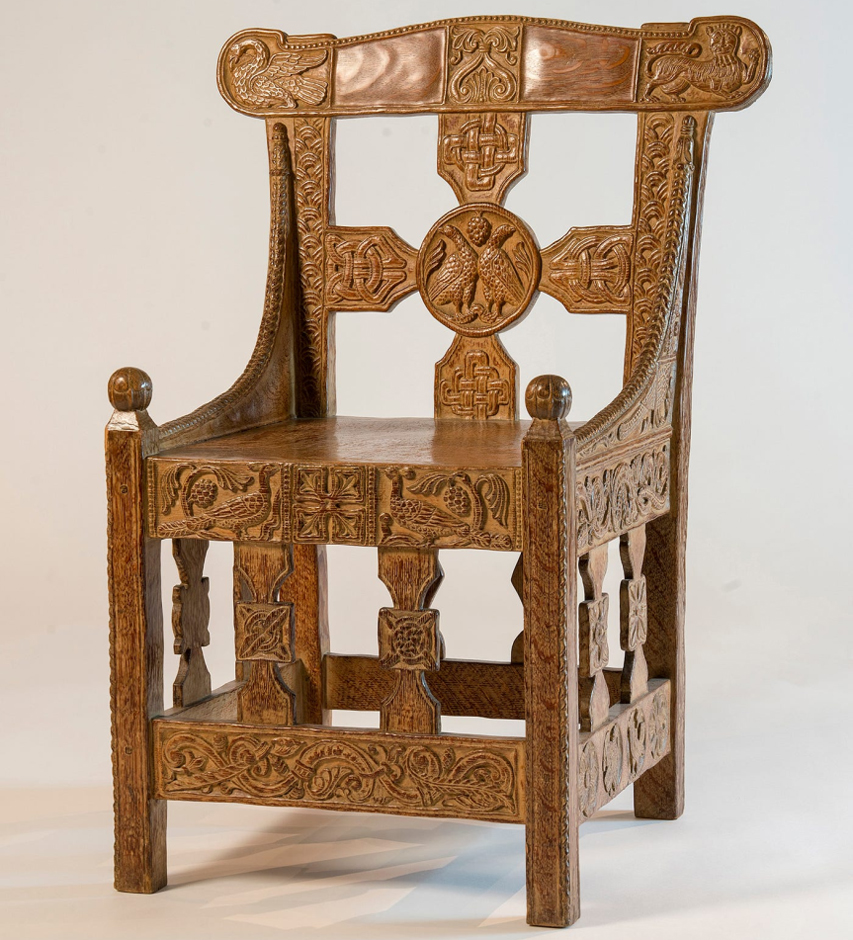
Are You Sitting Comfortably?
The history of the chair from ancient to modern times
Janusz Karczewski-Slowikowski
This is a lecture on the development of the chair in terms of its construction and style from ancient times through to the 19th century and also its use as a symbol of power and authority in courtly ritual.
Janusz Karczewski-Slowikowski is a freelance lecturer and researcher in English furniture history and also an antique dealer.
Wednesday 4th November 2026
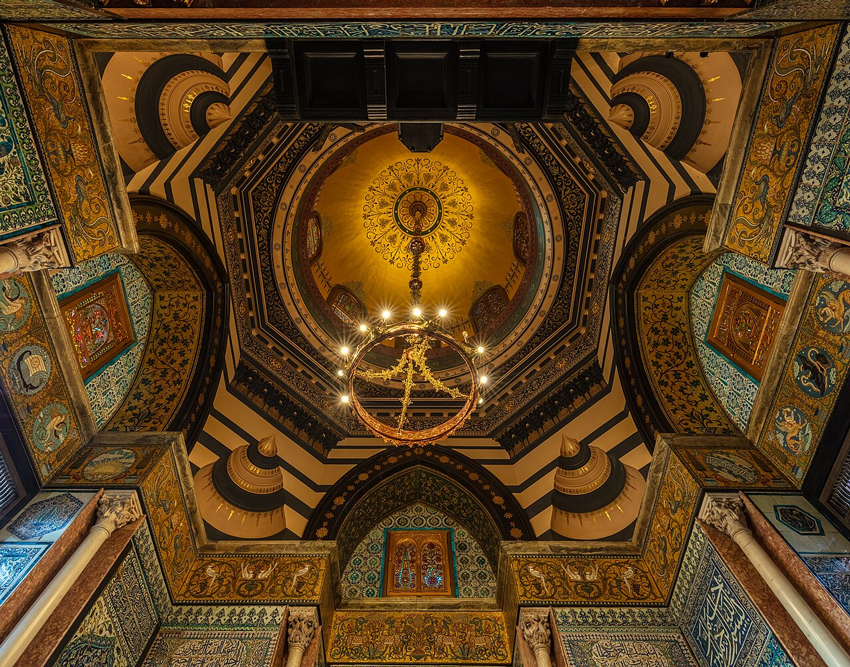
The Studio-Houses of
the Holland Park Circle
Daniel Robbins
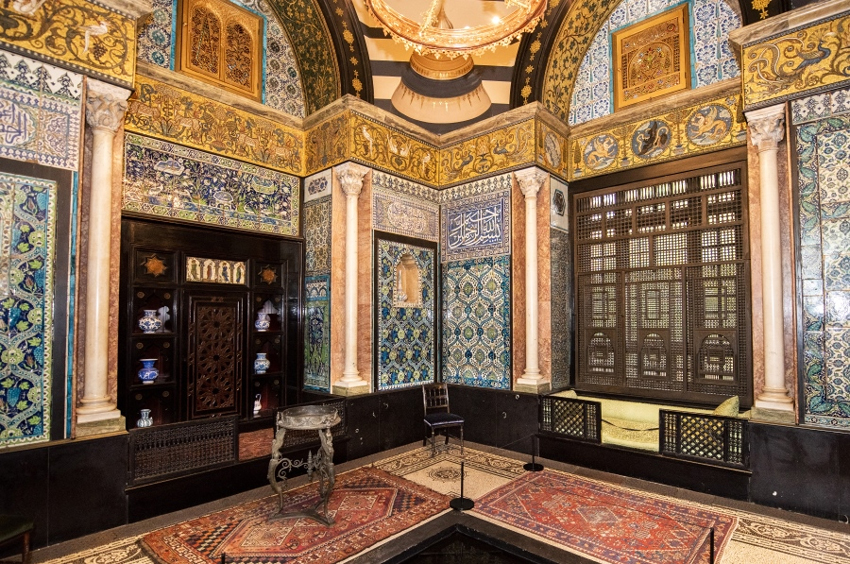
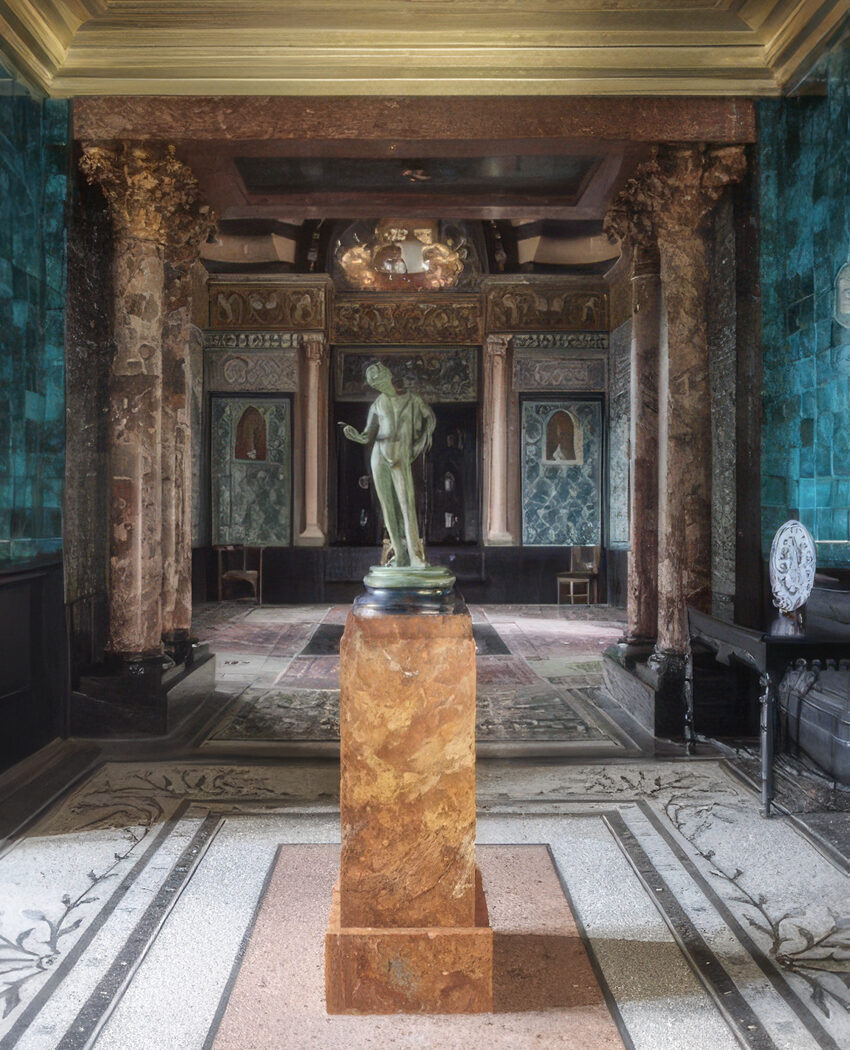
In the second half of the nineteenth-century an extraordinary group of purpose-built studio-houses were built on the edge of London’s Holland Park. At their centre was the house built by Frederic Leighton from the mid-1860s. With its vast studio and exotic Arab Hall it provided an inspiration to other artists who commissioned houses of their own.
Combining domestic accommodation with studio space and space in which to entertain, these houses provide fascinating insights into the wealth, status and taste of successful artists of the period. The lecture explores the houses of the Holland Park Circle to determine why these artists invested so much in the creation of their homes and the uses they then put them to.
Daniel Robbins is Senior Curator, Museums with the Royal Borough of Kensington and Chelsea and is responsible for two of London’s most significant house museums: Leighton House and Sambourne House.
Formerly with Glasgow Museums, he has organised many exhibitions and contributed to numerous catalogues and publications around nineteenth-century art, architecture and design, including the authorship of the companion guide to Leighton House.
He was responsible for leading the award-winning project to restore the historic interiors of the house completed between 2008 and 2010 and for the subsequent £9.6 million refurbishment of two unsympathetic twentieth-century additions made to the museum.
Completed in October 2022, the house reopened to great acclaim and was a finalist for the Art Fund Museum of the Year Prize in 2023. Daniel became a Fellow of the Society of Antiquaries in 2025.
Wednesday 9th December 2026
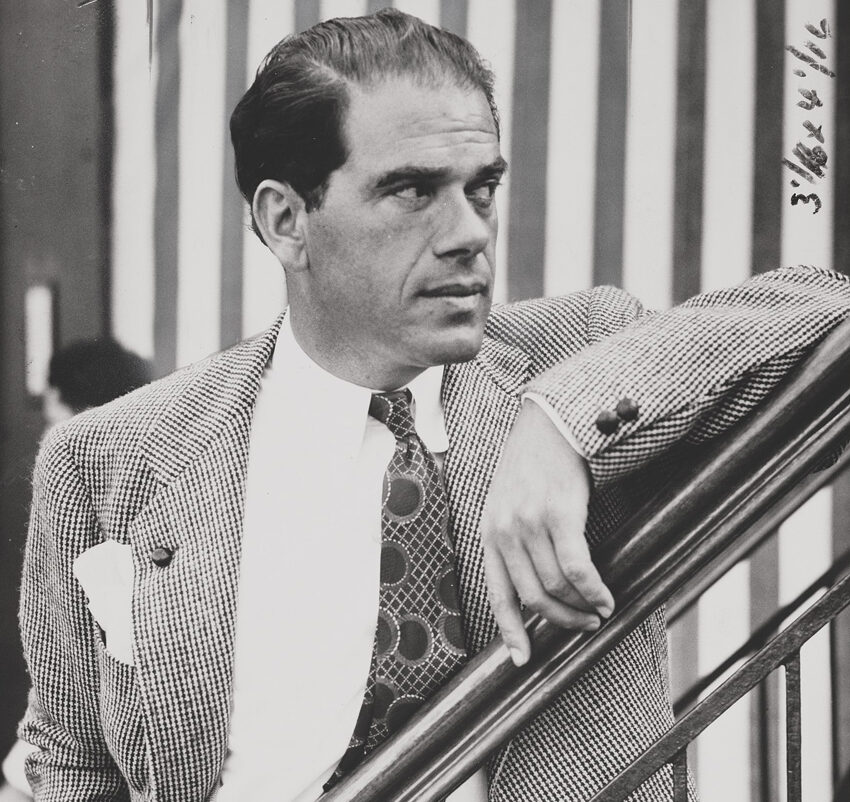
It’s a Wonderful Life and the forgotten genius of Frank Capra
Colin Shindler
The principal aim of this lecture is to understand better the films of one of America’s greatest film makers by placing his work in the historical context of Jeffersonian democracy.
Although Capra’s films were mostly set in his contemporary America the lecture looks at the reasons why that rural idyll, so foreign to the growth of a modern urban country, resonated so powerfully with audiences during the Great Depression.
Finally I will be asking whether this spirit of small town America still exists in the post-Trump America of the twenty-first century. More worrying, is Trump’s America basically the latest version of Capra’s America?
Colin Shindler has been lecturing on American and British social and cultural history for over 30 years. He was awarded his PhD at Cambridge University and subsequently lectured on film for their History Faculty between 1998 and 2019 exploring its relationship to modern British and American social and cultural history.
He also teaches a variety of adult education courses at Madingley and Higham Hall in Cumbria and has lectured on cruises. Between 1975 and 1999 he pursued a wide-ranging career as a writer and producer in television, radio and film.

Wednesday 6th January 2027
Divine Light: The Stained Glass of England’s Cathedrals
Janet Gough
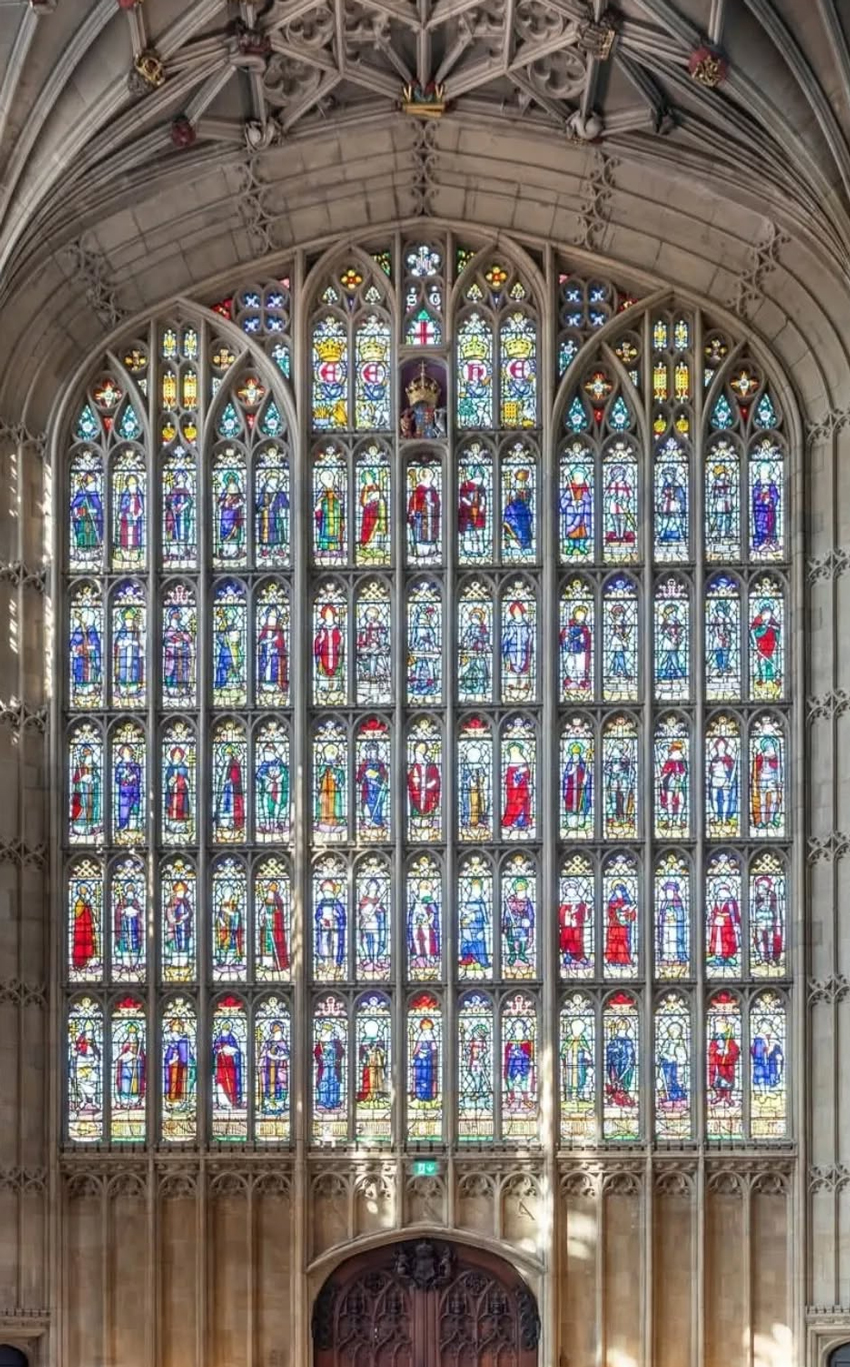
This highly illustrated talk explores 900 years of stained glass, with at least one window from each of England’s 43 cathedrals, Westminster Abbey and St George’s Chapel, Windsor Castle, and exploring medieval masterpieces via the Reformation and nineteenth century Gothic Revival to striking contemporary commissions, revealing how coloured light has shaped worship, storytelling and space.
Divine Light has gone from book to nationwide campaign run by the Association of English Cathedrals, attracting over 100,000 social media engagements and culminating in a hugely successful public vote – sparking fresh interest in cathedral stained glass and its power to move and inspire today.
Janet Gough is the Church of England’s Director of Church Buildings and Secretary of the Church Buildings Council and Cathedrals Fabric Commission. She has written three illustrated paperbacks to encourage wider enjoyment of these amazing buildings, Director’s Choice, Churches of the Church of England, Director’s Choice, Cathedrals of the Church of England and most recently (2022) Deans’ Choice, Cathedral Treasures of England and Wales.
A Cambridge graduate in History and History of Art, Janet worked at Sotheby’s for nine years, was a trustee at the Churches Conservation Trust, the Museum of Fulham Palace and the Friends of the V&A and guided and lectured at the V&A. Janet set up and ran an architectural history course of London around visits to significant buildings. Janet has also given tours and lectured on secular architecture and fine and decorative arts. Janet received an OBE for services to heritage in 2017, and in 2021 was made one of the first lay Canons of Bangor cathedral.
Janet advised Royal Mail on the special Christmas 2024 stamps, which featured five cathedrals from across the UK, and in August 2025 published her latest book – Divine Light, the Stained Glass of England’s Cathedrals.

Wednesday 10th February 2027
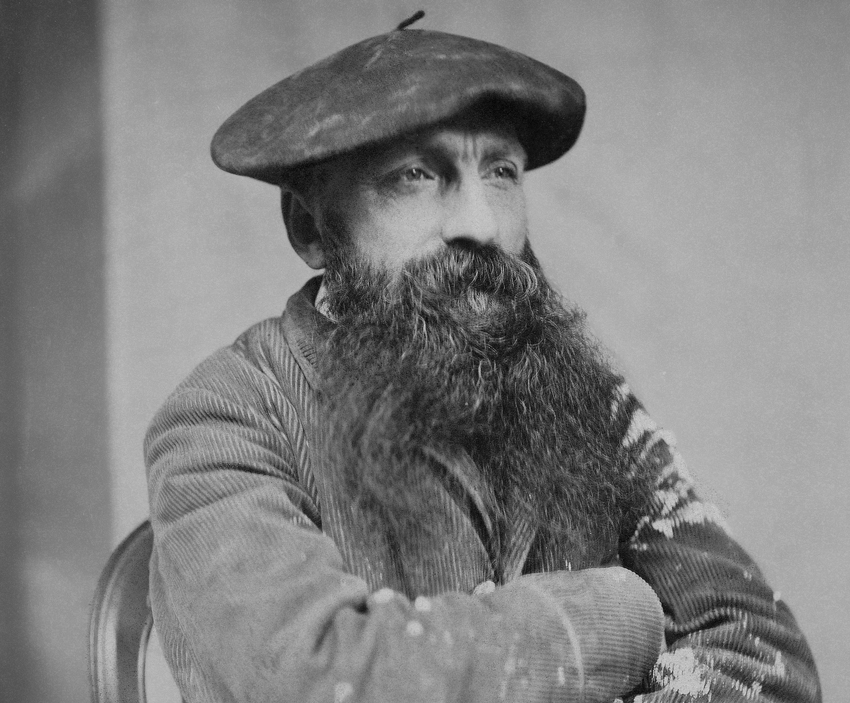
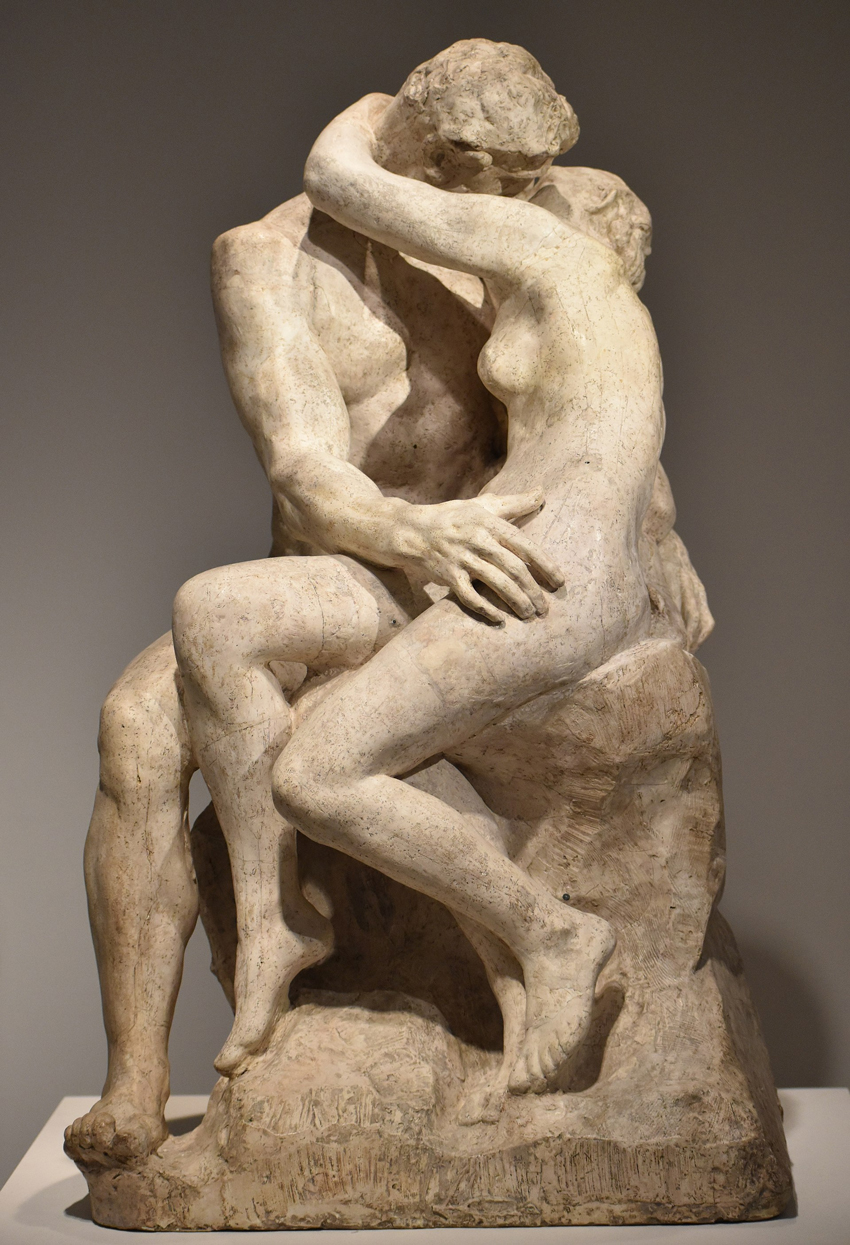
August Rodin and 19th Century Sculpture
David Worthington
Rodin is one of the heroic figures of 19th century art history and was internationally celebrated during his lifetime. But after his death his reputation slipped and there were questions about his use of the female image. Now that is very much being reassessed and he is seen as having in one career taken sculpture on a revolutionary path equivalent to what the Realists, Impressionists and Post Impressionists did with many careers.
This lecture surveys his work showing why he is one of the greatest sculptors ever, looking at his work in relationship to 19th century sculpture as well assessing his continuing relevance.
David Worthington has been drawn to abstract sculpture since seeing a Barbara Hepworth in a school history book aged 10.
He graduated from Oxford University in 1984 with a degree in Philosophy and Theology, then studied fine art in London, Barcelona and New York.
He was shortlisted for the Jerwood Sculpture Prize in 2009. David is a Fellow of The Royal Society of Sculptors and was Vice President in 2010-13. He has carried out public commissions in the UK, America and Japan. His work is in the museum the Creative Cities Collection Beijing China.
He has had solo shows at the Lefevre Gallery, Horatio’s Garden, the Glyndebourne Festival Opera, and at the Lightbox Gallery Museum, Woking.
Wednesday 14th April 2027
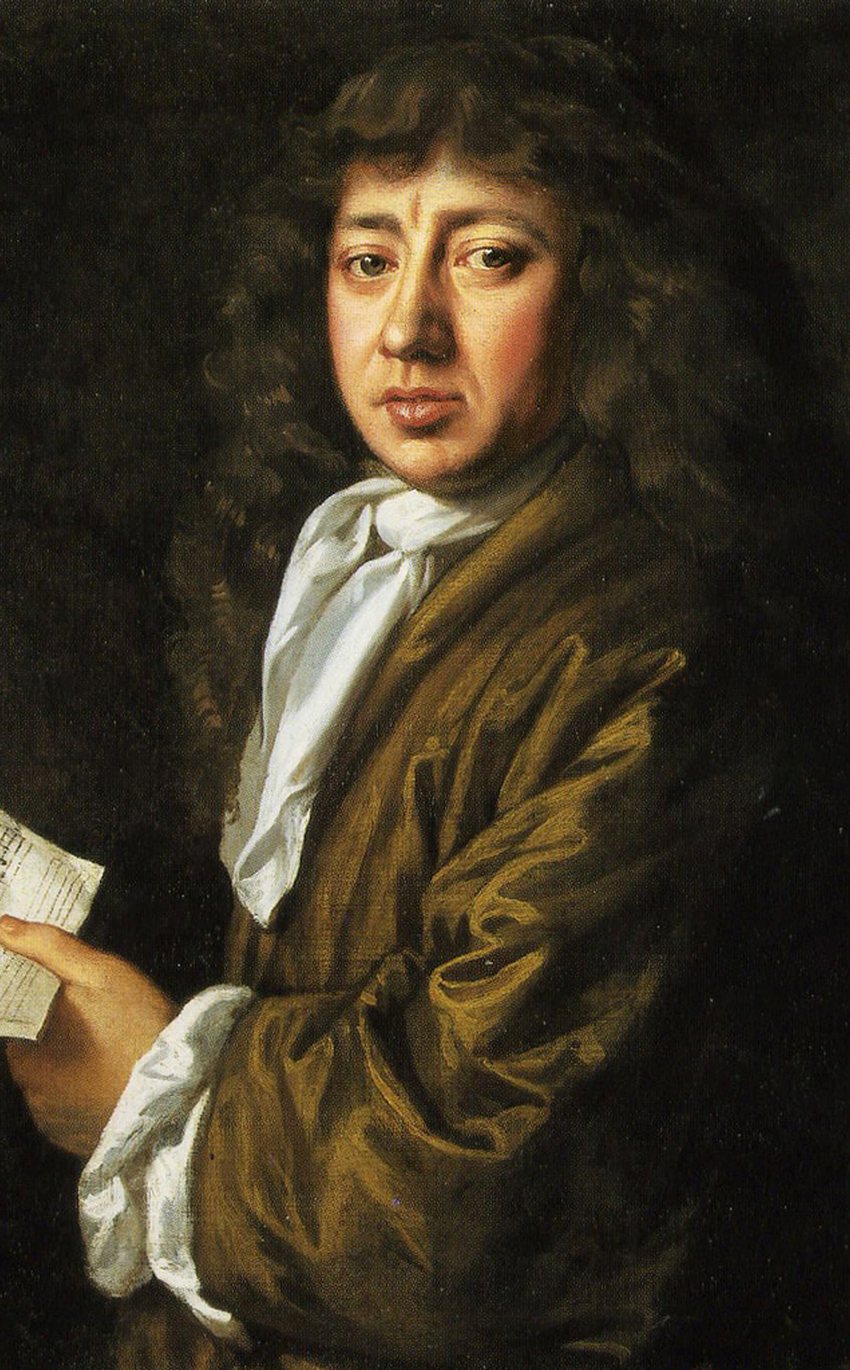
Secrets and Scandals
from Samuel Pepys’s Diary
Ed Glinert
Scathing sarcastic disclosures about bumptious officials, hapless family members, squeezes, royals, vicars mix with horrific tales of war, plague and executions by the greatest and wittiest of diarists. And it took 200 years to be deciphered.
Ed Glinert is a much-published author, cruise ships speaker and Britain’s most prolific tour guide, working in Manchester, London and Liverpool as New Manchester Walks, New London Walks and New Liverpool Walks. He has written more than a dozen books for many major publishers, including The London Compendium (Penguin, 2003), The Manchester Compendium (Penguin, 2008) and 111 Places in Yorkshire You Shouldn’t Miss (Emons, 2021).
He has also edited the entire Sherlock Holmes canon for Penguin Classics. He specialises in music (most genres), literature, architecture and art.
Wednesday 19th May 2027
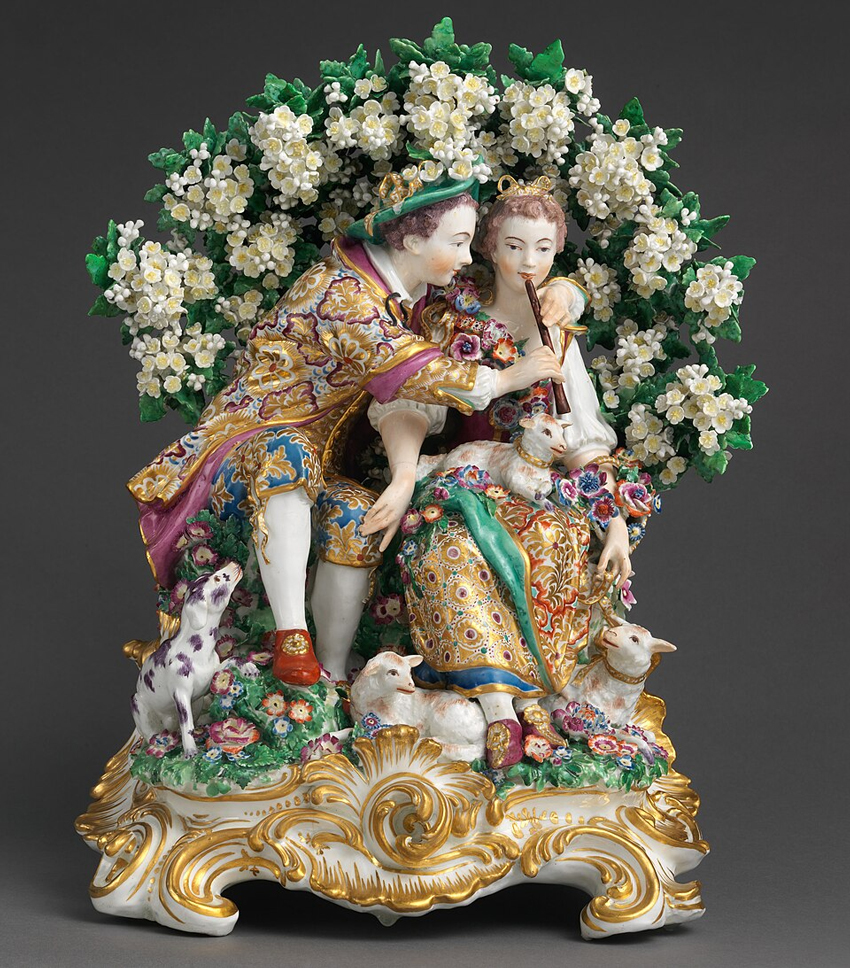
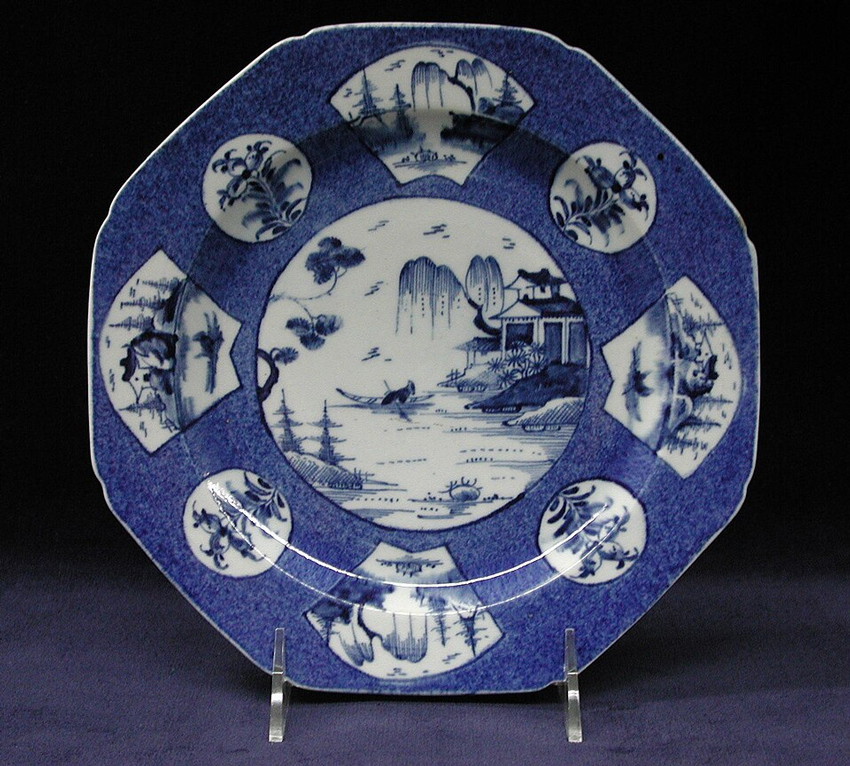
18th Century English Porcelain – Chelsea, Worcester, Bow and Derby
Jane Gardiner
This lecture will look at the early experiments into porcelain making in England; concentrating on the Chelsea, Bow, Derby and Worcester factories.
It will examine the different pastes developed in an attempt to achieve both whiteness and strength, consider the influence of both silver and continental porcelain on shapes and decoration; and will look back at Chinese and Japanese export wares as a source of inspiration.
In addition, it will show the ways in which porcelain was both displayed and used and discuss the fashion for porcelain figures.
Jane Gardiner – MA History of Art, University of London. Trained at the V&A and continues to lecture there. Was Senior Lecturer at Sotheby’s Institute of Art for 17 years, becoming a Deputy Director of Sotheby’s, UK.
Has also lectured for the National Trust, the Art Fund, London University, Buckingham University, l’Institut d’Etudes Superieures des Arts in Paris, a private women’s college in Saudi Arabia, on cruise ships and at antiques fairs and interior design conferences in America.
Wednesday 9th June 2027
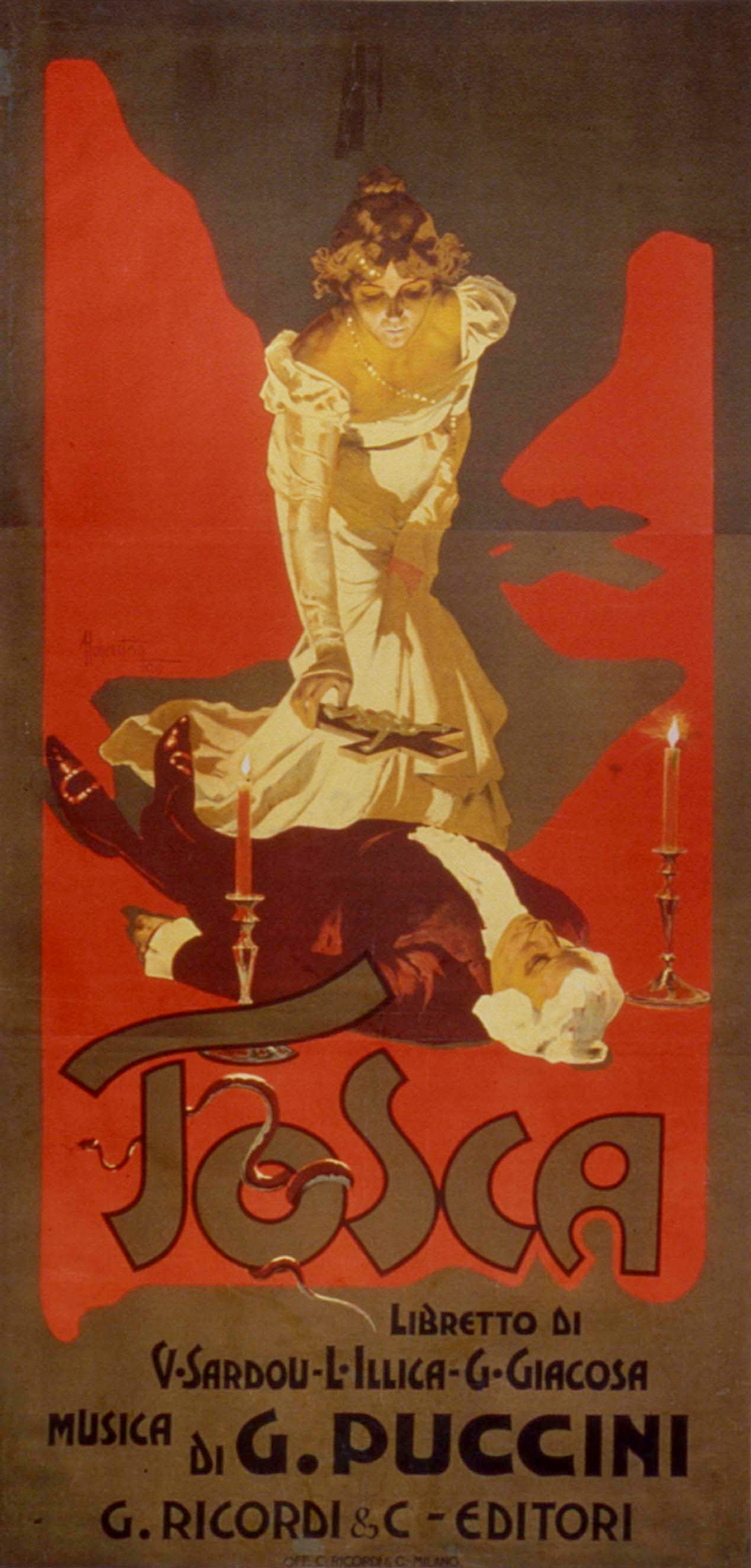
‘A Life of Art and Love’ – The Life and Works of Giacomo Puccini
Roger Askew
Giacomo Puccini is one of the most popular of all operatic composers, though more cherished by the public than the critics.
His ability to convey strong emotion through the power of the human voice and his unique handling of the orchestra earned him a place among the most important musical figures of the 20th century. His own life was as colourful as one of his operatic plots.
This lecture, which is illustrated with recordings of some of the greatest opera singers of the 20th and 21st centuries, explores the life and works of this fascinating man.
Roger Askew was a chorister at Wells Cathedral School and a choral scholar at Magdalen College, Oxford, where he graduated with an honours degree in English. He combined a teaching career with professional singing in London, and after obtaining a further degree in Music became Director of Music at Daniel Stewart’s and Melville College in Edinburgh.
After retiring in 2003 he returned to the south of England. He is President Emeritus of The Stoke Poges Society.
PREVIOUS LECTURES IN THE 2025-2026 SEASON
Wednesday 10th June 2026
The Genius of Antonio Stradivari
Toby Faber
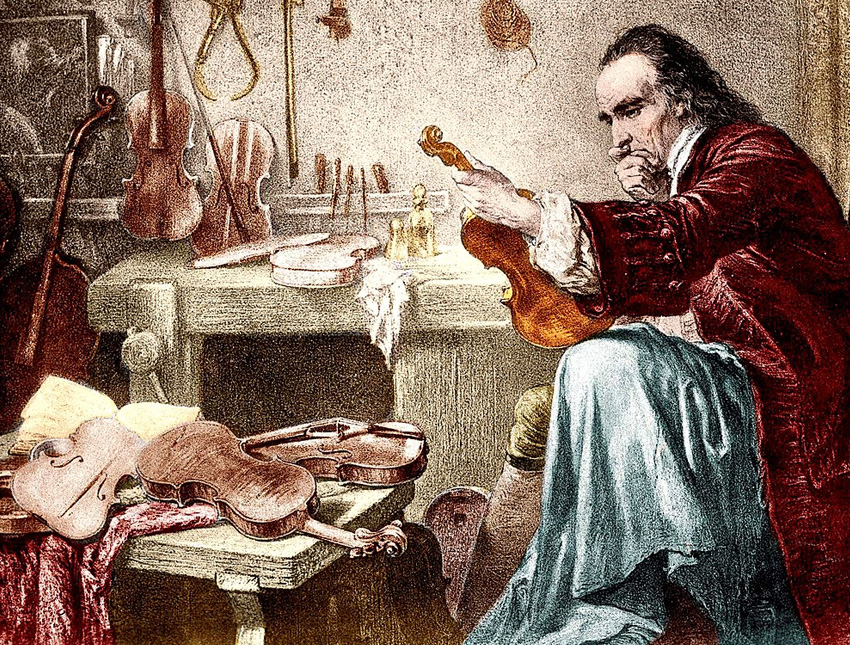
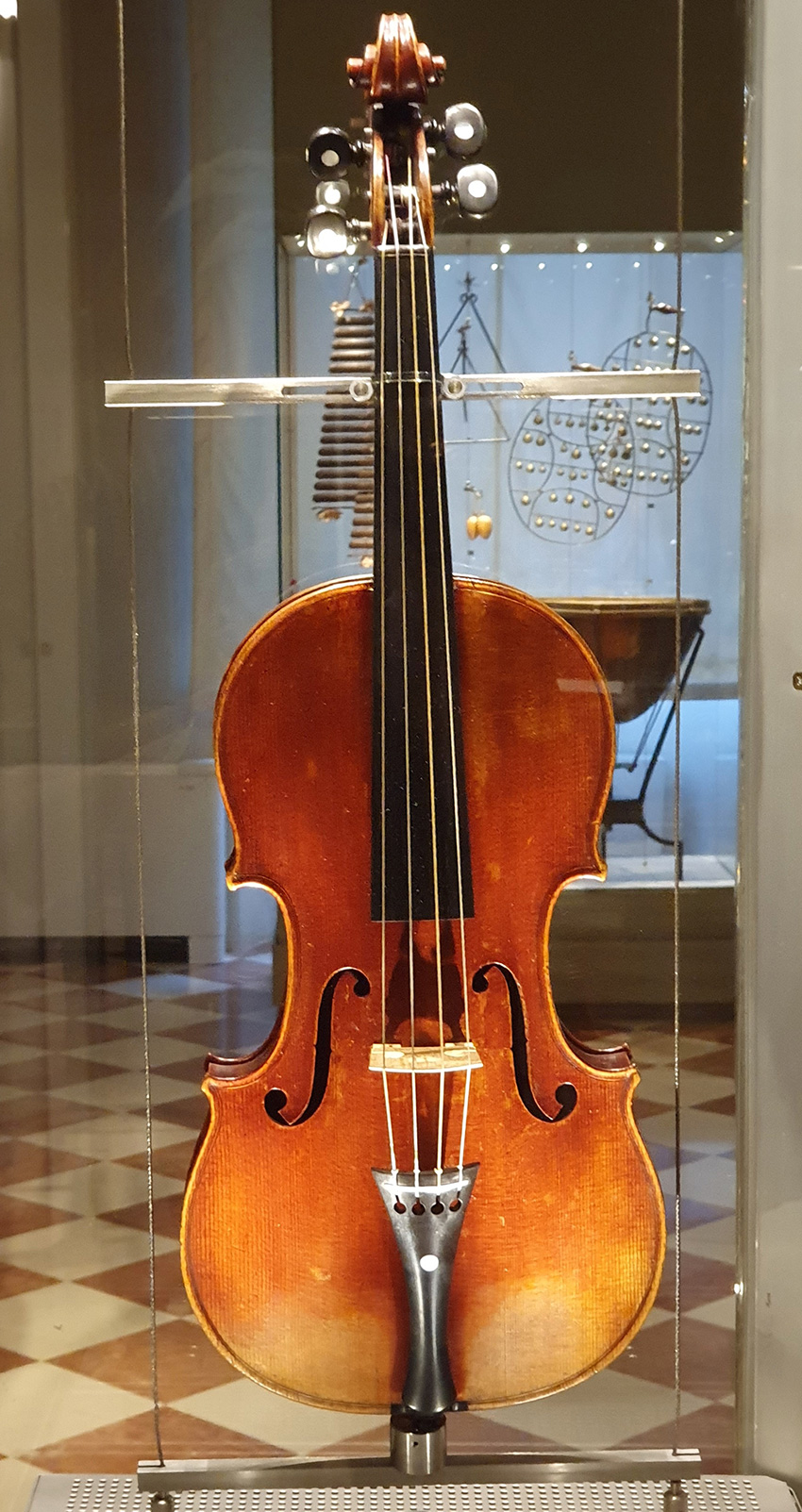
We explore the central mystery embodied by the inimitability of Stradivari’s violins by following some of his instruments from his workshop to the present day. Two hundred and fifty years after Antonio Stradivari’s death, his violins and cellos remain the most highly prized instruments in the world. Loved by great musicians and capable of fetching fabulous sums when sold, their tone and beauty are legendary.
Every subsequent violin-maker has tried to match them. Not one has succeeded. How can that be?
This lecture explores that central mystery. It begins with an overview of Stradivari’s life and methods and then allows the violins themselves to tell the story, following three through a succession of players, dealers and collectors to the present day, travelling from the salons of Vienna to the concert halls of New York, and from the breakthroughs of Beethoven’s last quartets to the first phonographic recordings.
Toby Faber’s career began with Natural Sciences at Cambridge and has been through investment banking, management consulting and five years as managing director of the publishing company founded by his grandfather, Faber and Faber, where he remains on the board. He is also non-executive Chairman of its sister company, Faber Music and a director of Liverpool University Press.
Toby has written three narrative histories: Stradivarius – Five Violins, One Cello and a Genius; Faberge’s Eggs; and Faber & Faber – The Untold Story, as well as a novel, Close to the Edge. Of these, only the obvious one is published by the family firm.
Wednesday 20th May 2026
150 Years of Liberty:
Masterpieces of Design
Jo Banham
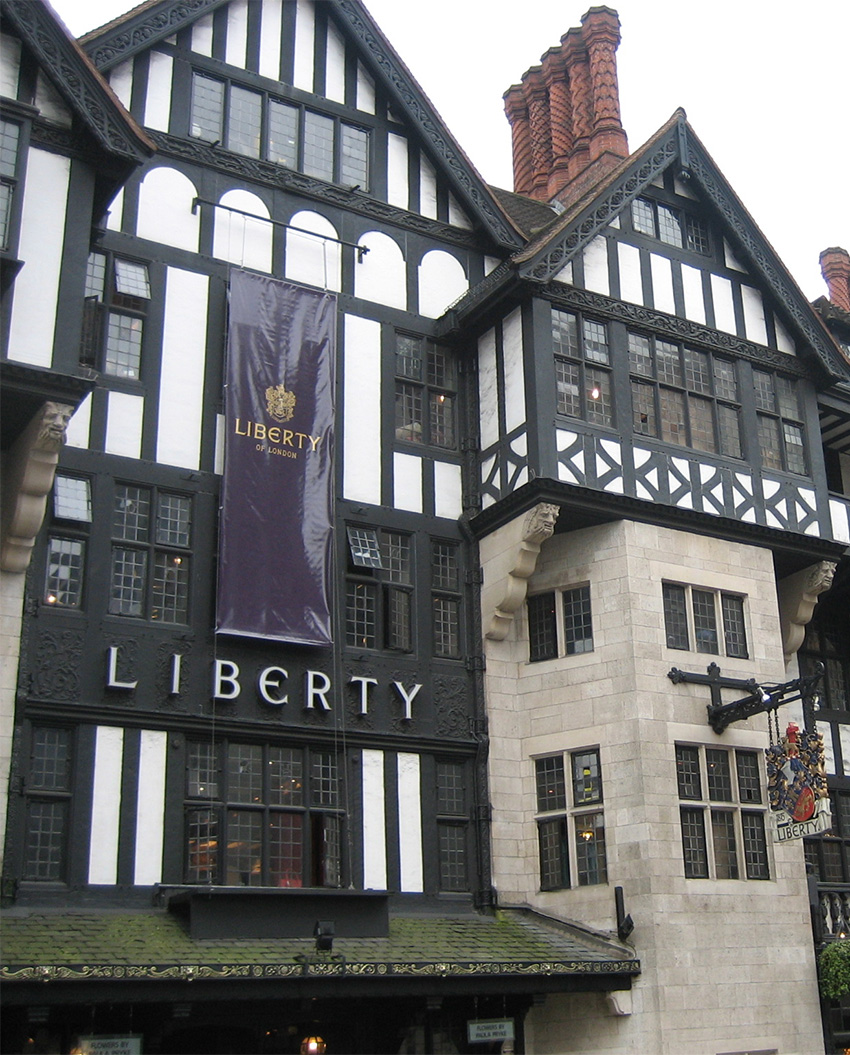
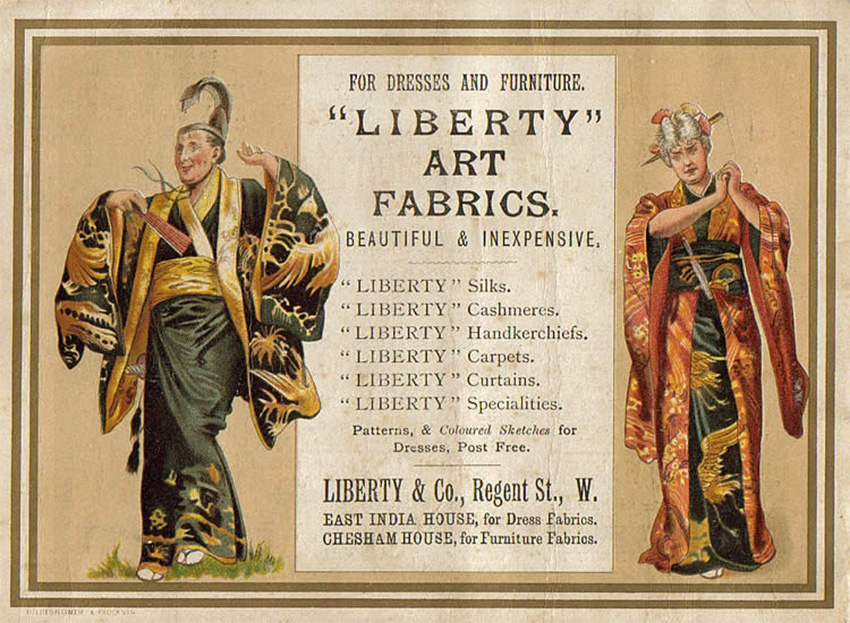
Liberty of London is far more than just a shop; it is also a byword for luxury and innovation. Founded in 1876, at the height of the 19th century craze for all things Aesthetic and Japanese, it was an immediate success. Its Oriental textiles, Middle Eastern rugs, and Artistic accessories and dress were widely admired, and the shop was beloved by connoisseurs such as the painter James McNeill Whistler and the critic Oscar Wilde as well as by the cream of London’s fashionable elite.
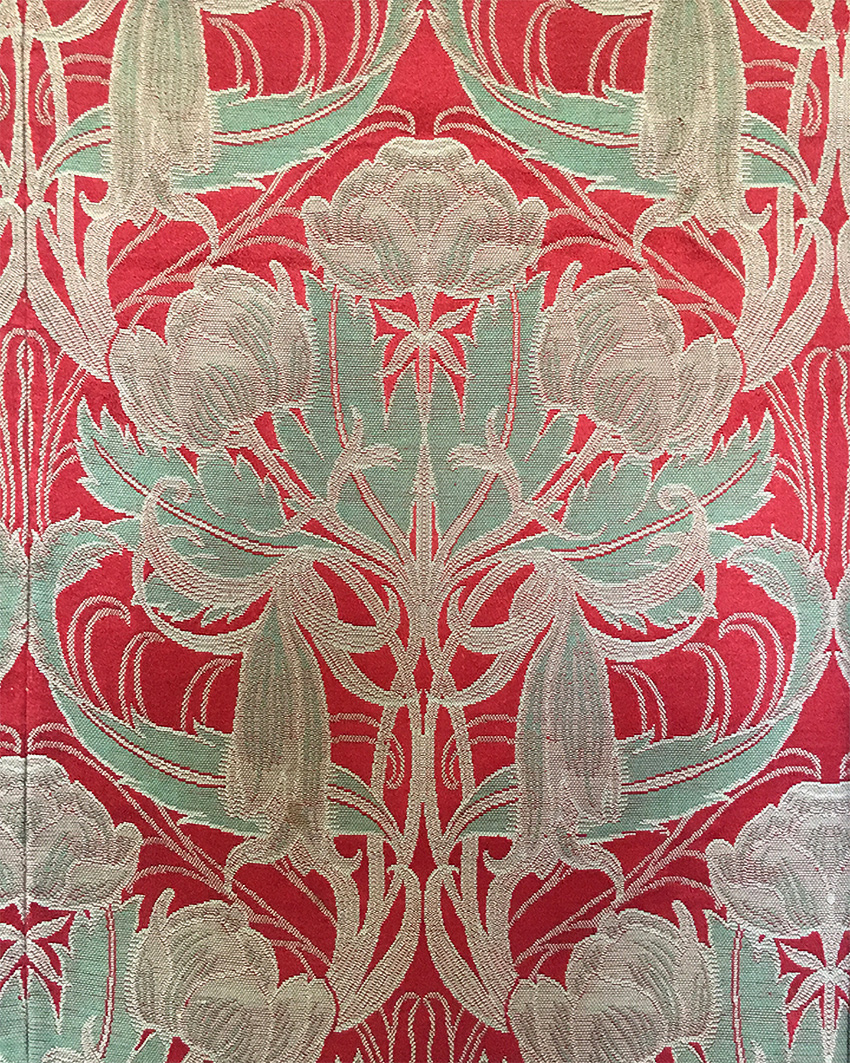
During the 1890s Liberty’s close relationship with designers such as Archibald Knox, Lindsay Butterfield and Charles Voysey cemented the company’s association with Art Nouveau which became so strong that the style became known as Stile Liberty in Italy. The spirit of innovation continued throughout the inter- and post-war years with the shop’s promotion of the Art Deco, Op and Pop designs.
Today, collaborations include everyone from Vivienne Westwood and House of Hackney to Hello Kitty and Florence Welch! This lecture marks the 150th anniversary of Liberty and tells the story of a business whose rich history and legacy continues to inspire people all over the world today.
Jo Banham is a freelance curator, lecturer and writer. From 2006-2016 she was Head of Adult Learning at the Victoria & Albert Museum, and before that Head of Learning and Access at the National Portrait Gallery, and Head of Public Programmes at Tate Britain.
She has also been Curator of Leighton House and Assistant Keeper at the Whitworth Art Gallery. She has published on many aspects of Victorian and early 20th century decoration and interiors.
She recently curated an exhibition on William Morris and the Arts and Crafts Movement for the Juan March Fundacion in Madrid and the Museu Nacional d’Art Catalunya in Barcelona and she is currently writing a book on the History of Wallpaper. She is also Director of the Victorian Society Summer School.
Wednesday 15th April 2026
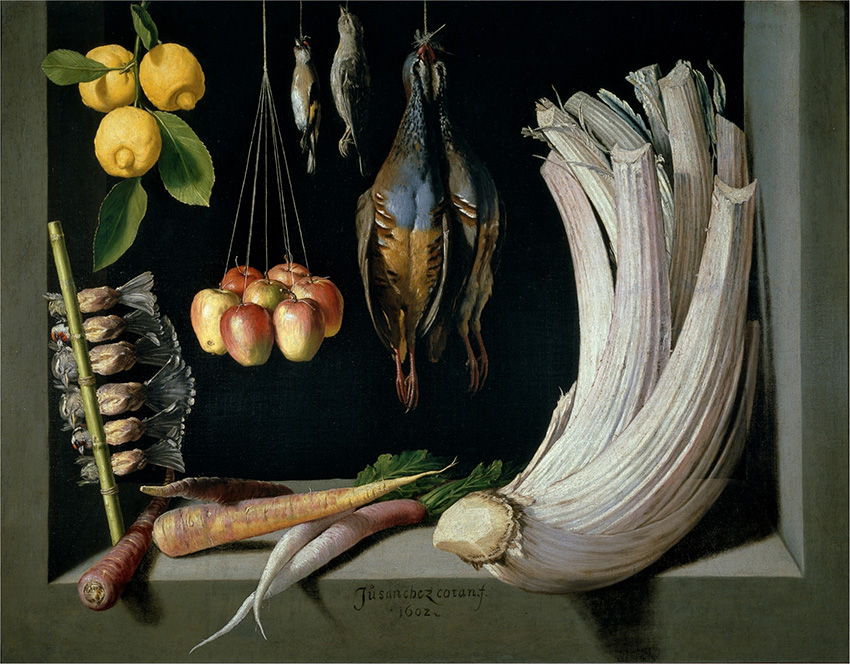
Cabbages, Carrots and Lamb – Spanish Still Life from 1600-1812
Dan Evans
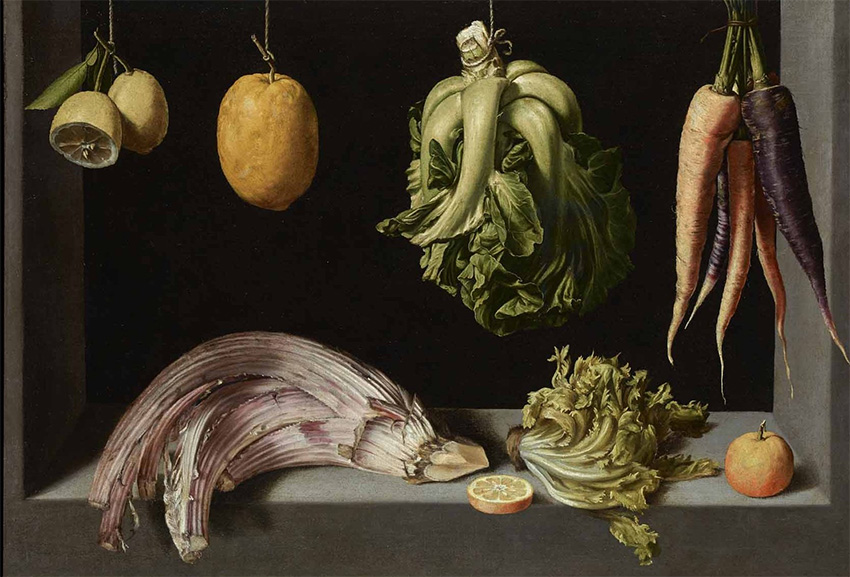
Robert Hughes declared of Still life painting; ‘Still Life is to eating what the nude is to sex’ (we won’t go there I assure you!), although he did also admit that Spanish Still Life painting is ‘more sacramental than gastronomic’.
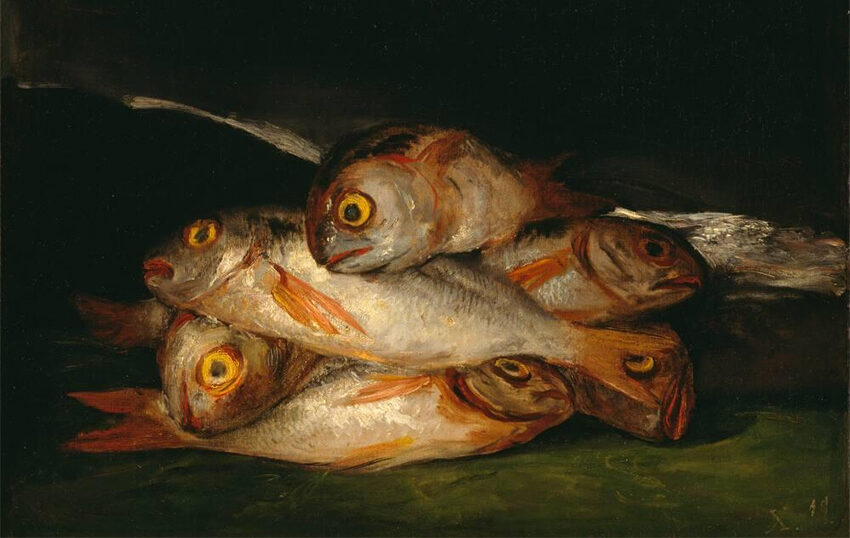
The lecture will cover a cabbage that has been painted with such astonishing accuracy that the painted version is more alluring than the vegetable itself. Goya’s painting of a pile of 6 silvery fish, is a political commentary on the disasters of war. These bream have been abandoned on a beach in the middle of the night, left to rot in the sand, evidence of reckless waste at a time of famine.
Dan Evans is a Housemaster and Teacher at Cheltenham College, a full boarding and co-educational independent school established in 1841 and was formerly Head of History of Art at Wycombe Abbey School.
He has been lecturing since 2001, and spent 9 years working as a senior lecturer, tutor and tour guide for Art History Abroad. He was voted the British winner of the World Guide of the Year Awards in 2008 and alongside his lectures and special interest days he also leads educational study trips for groups of friends to a range of destinations in Italy.
Wednesday 11th February 2026
Warwick Castle: A Forgotten Collection
Adam Busiakiewicz
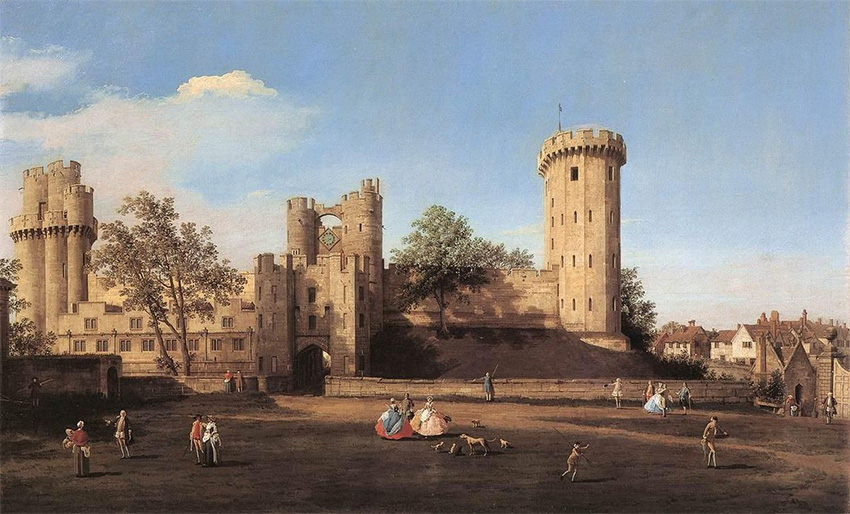
Warwick Castle remains one of Britain’s best preserved and most popular medieval castles. The imposing stone walls and towers were raised by the powerful Earls of Warwick, who took a leading role in the most important events of Medieval England.
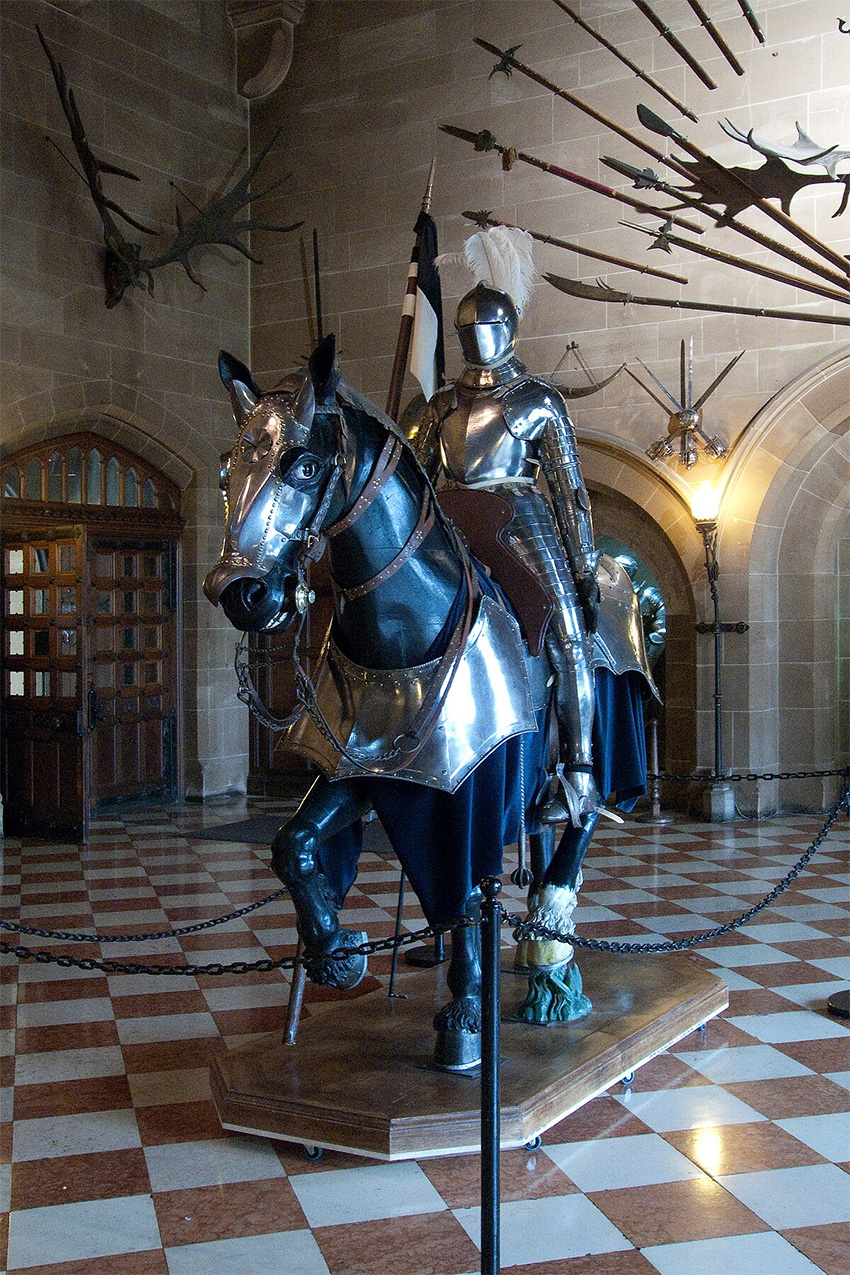
From 1604, the castle was transformed from a fortification and into a luxurious stately home. The treasures of the eighteenth and nineteenth century Earls filled the castle with arguably one of Britain’s most undiscovered collections of Old Master Painting, Furniture, Arms and Armour and objet d’art. The sale of Warwick Castle to an entertainments company in 1978, by Lord Brooke, meant that the castle’s history, collection and interiors remains one of the country’s best kept secrets.
Adam Busiakiewicz is an Art Historian, Lecturer and Lutenist. After completing his Bachelor’s Degree in History at University College London in 2010 he held the position of Head of Historical Interpretation (curator) at Warwick Castle. He left the castle in 2013 after winning a full AHRC studentship to pursue a Master’s Degree in Fine and Decorative Art at the Sotheby’s Institute of Art, London. He completed his doctorate in the History of Art at the University of Warwick in 2022 and became a cataloguer in the Old Master Paintings Department at Sotheby’s where he remains a Consultant.
Wednesday 14th January 2026
The Men Who Made Menswear
Russell Nash
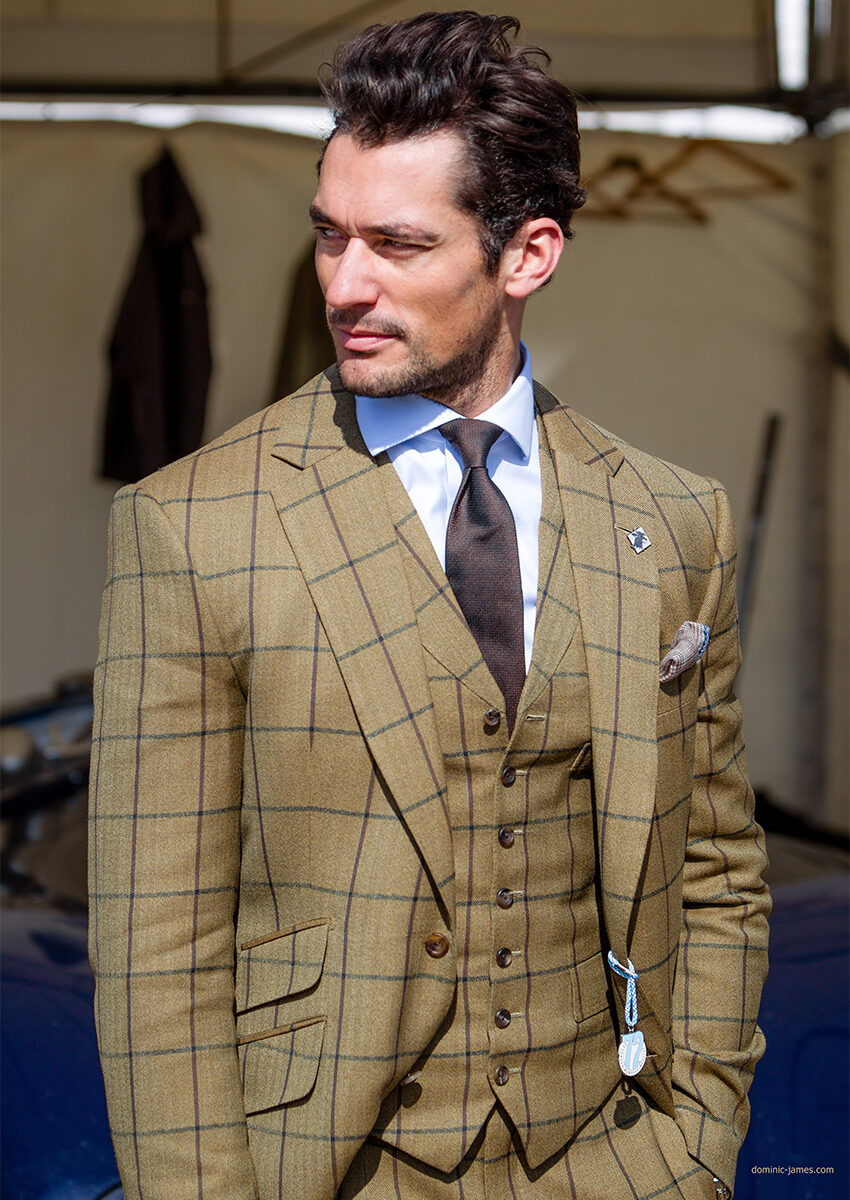
This lecture tells the story of men’s tailoring over the past 200 years, told through the lives of the men who commissioned and created and wore it.
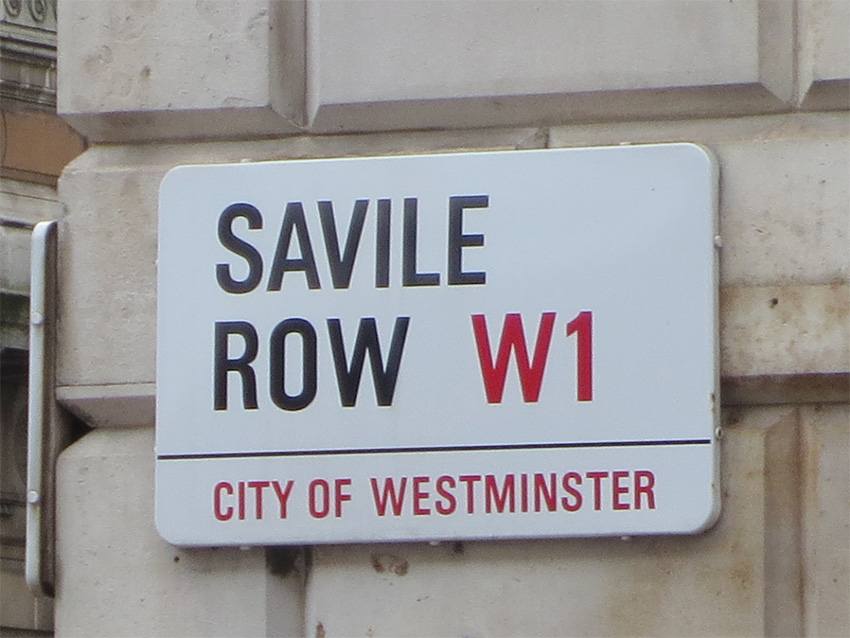
Tailors, shirtmaker, hatters and other craftspeople in London’s west end, especially around Savile Row & Jermyn Street have shaped the way men dress since the Regency. How did men such as Beau Brummell, The Duke of Windsor, Tommy Nutter, Montague Burton, Alexander McQueen and John Stephen create their signature looks which influenced the men’s fashion?
This lecture also looks at the wider cultural shifts since the early 19th century to the present day and how they affected the way that men present themselves.
Russell Nash trained and worked as an actor, puppeteer and theatre maker for 15 years. He also spent time as a journalist, jewellery business owner and writer. In 2015 he qualified a London Blue Badge Tourist Guide. Around this time, he rekindled his love of art and art history.
He now regularly guides the major art galleries and museums in London including the National Gallery, National Portrait Gallery, Tates Modern & Britain and the British Museum. He has delivered lectures for institutes and museums, as well as numerous U3A groups and other societies
Wednesday 10th December 2025
Christmas Ghosts: The Tradition of Winter Tales
Kirsty Hartsiotis
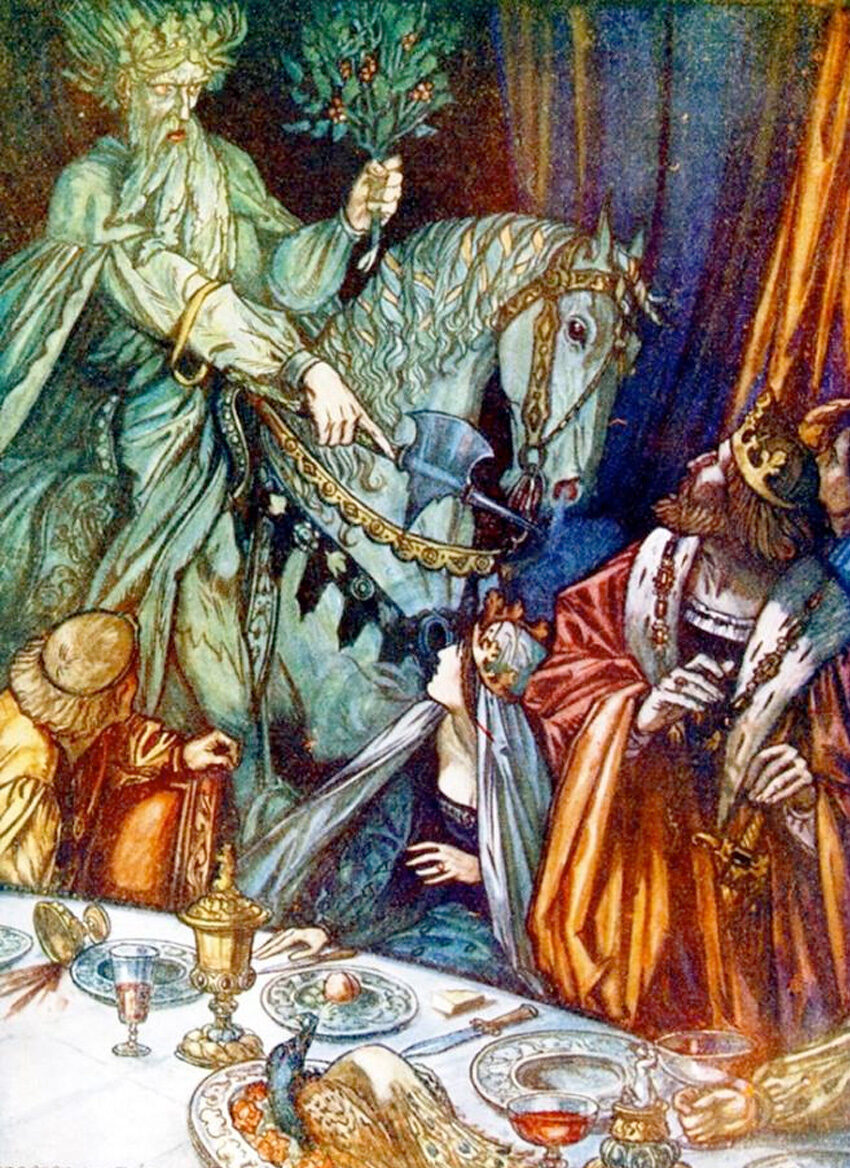
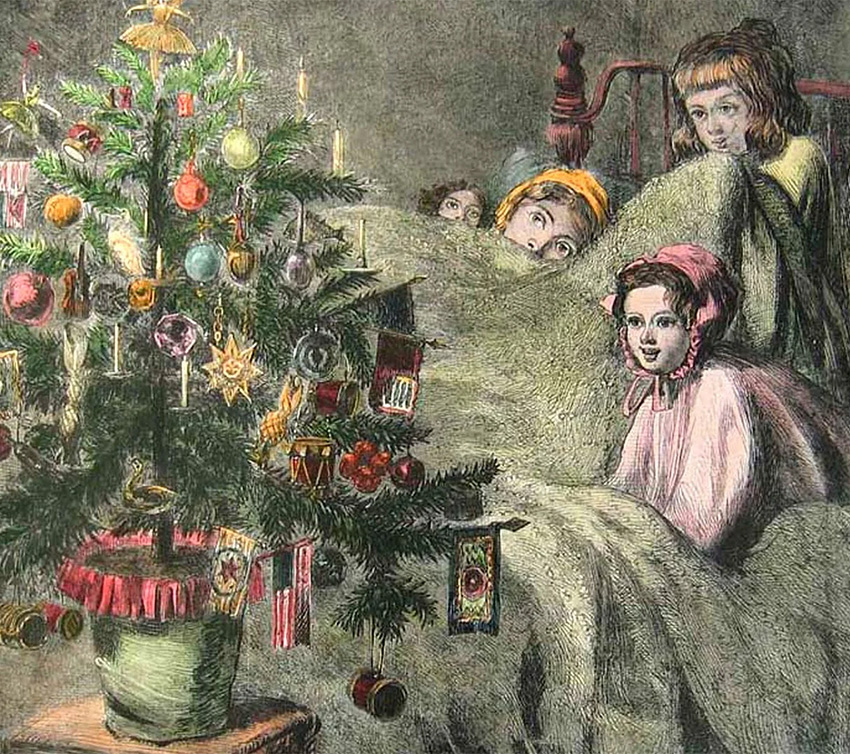
We have told supernatural tales at midwinter for a very long time. In this talk we are taken back to the earliest winter tales of the Middle Ages and the age of Shakespeare and Marlowe.
We then explore the lost years of the 17th and 18th centuries, where it is often thought that Christmas was not celebrated much – but ghost tales at Christmastide were very much part of the season. In the 19th century many traditional Christmas ghost tales were collected, and even now it is considered one of the spookiest times of the years.
Kirsty Hartsiotis was the curator of the decorative and fine art at The Wilson Art Gallery and Museum, Cheltenham from 2008 to 2023. She is currently a curator at Swindon Museums, where she also worked prior to 2008. At Cheltenham she looked after the Designated Arts and Crafts Movement collection, which includes the important private press archive, the Emery Walker Library.
She has also been an oral storyteller for over 20 years and has published a number of collections of stories. She is the Editor of the Journal of William Morris Studies and was the newsletter editor for Society of Decorative Art Collections. She is a regular columnist for Cotswold Life and writes for diverse other publications on art history and folklore.
Wednesday 5th November 2025
The Nature of the Beast: Understanding Fabulous Animals in Medieval Art
Dr Jonathan Foyle
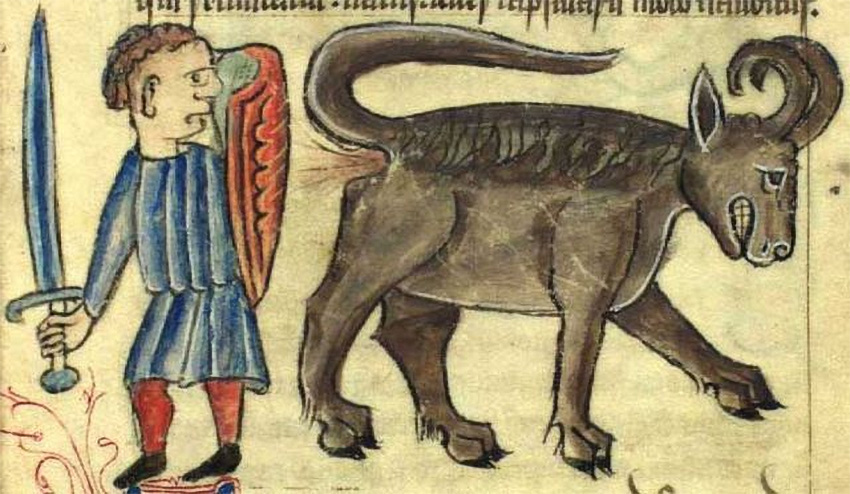
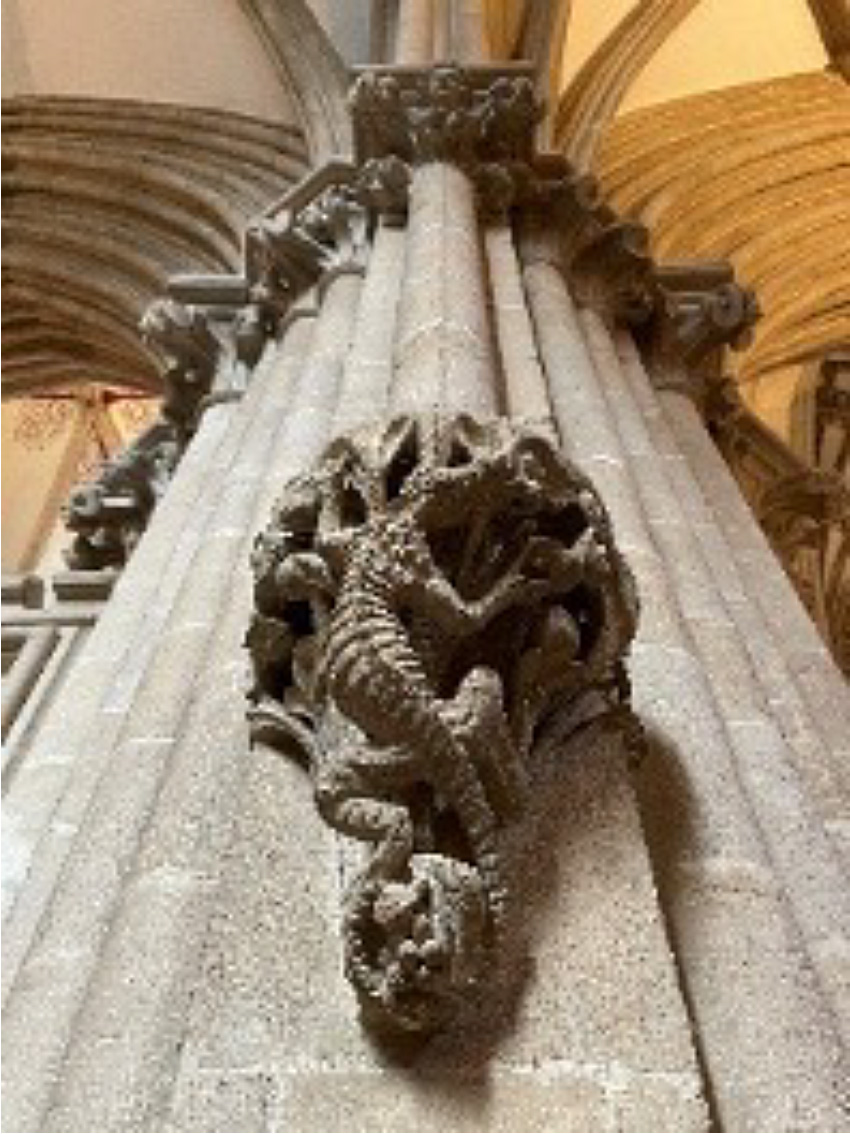
Medieval bestiaries are wondrously colourful worlds, blending fact with fiction, morality with mythology. They represent an understanding of the physical world but also fulfilled the need for symbolic creatures to supplement biblical stories, offering a wide array of noble or crude behaviours with which to compare ourselves. What happened if you chased a bonnacon? What was a beaver’s superpower? What did owls mean? And how did animals graduate from bestiaries into the realm of heraldry? In the course of an hour, we’ll explore all these and more.
Dr Jonathan Foyle is a career communicator, best known for presenting TV series such as BBC2’s Broadcast Award-winning 15-part ‘Climbing Great Buildings’, as well as contributing to Channel 4’s ‘Time Team’ and Channel 5’s ‘Secrets of the Royal Palaces’. His former roles have encompassed Curator at Hampton Court and Chief Executive of World Monuments Fund Britain, writer for the FT Weekend, and he is now a lecturer at the University of Bath. Jonathan has authored seven volumes on great cathedrals and castles and has spoken across the world about discoveries in British arts.
Wednesday 8th October 2025
The Queen Mother’s Lifelong Love of Jewellery
Jeremy Mainwaring-Burton
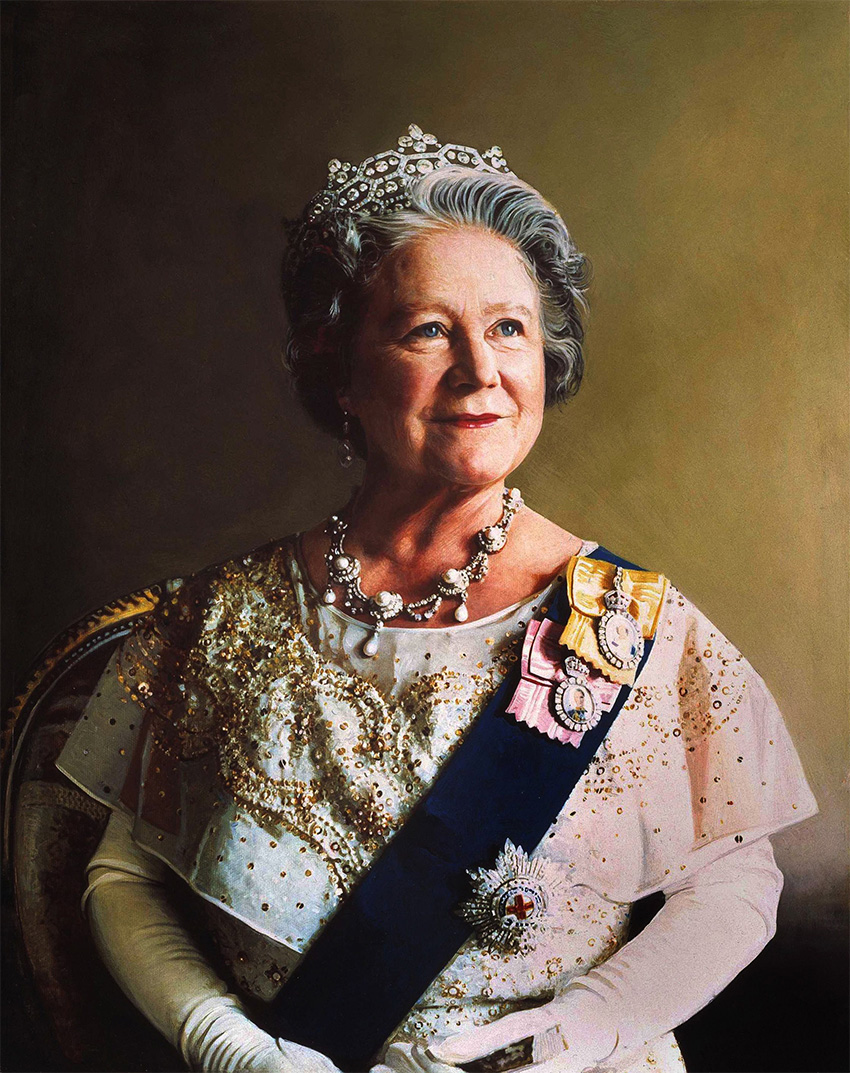
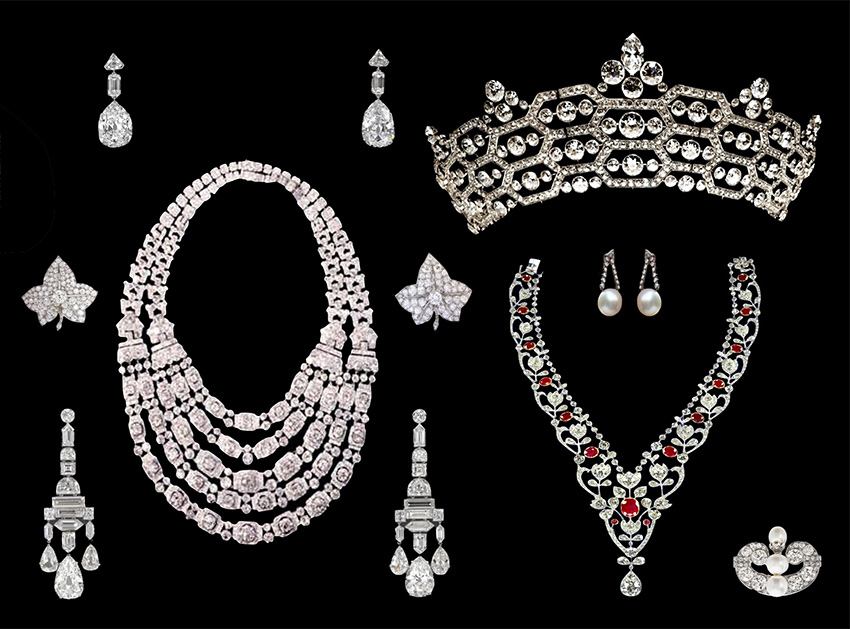
Having had access to the jewels designated Heirlooms of the Crown and with a spectacular collection of her own, the Queen Mother had so much jewellery to choose from over the course of her long life that it would be almost impossible to describe it all.
In this talk her passion for jewels is chronicled by concentrating on a selection of items which are of particular gemmological and historic interest ..… and have an intriguing story attached.
Jeremy Mainwaring-Burton graduated from Durham University with a degree in geology and went on to join the army. He spent five years in the Irish Guards, the last two and a half of which were on secondment to Clarence House as the Queen Mother’s equerry. Being a geologist, he couldn’t help but notice the magnificent gemstones in the Queen Mother’s jewellery. This inspired him to study gemmology and on leaving the army he qualified as a Fellow of the Gemmological Association. Then, in addition to working as an exploration geologist in South Africa and a gold miner in California, he spent several years as a jewellery and precious stone dealer in London’s Hatton Garden.
Wednesday 10th September 2025
7.15pm AGM | 7.45pm Lecture
The History of American Art
in 25 Iconic Works
Marie-Anne Mancio
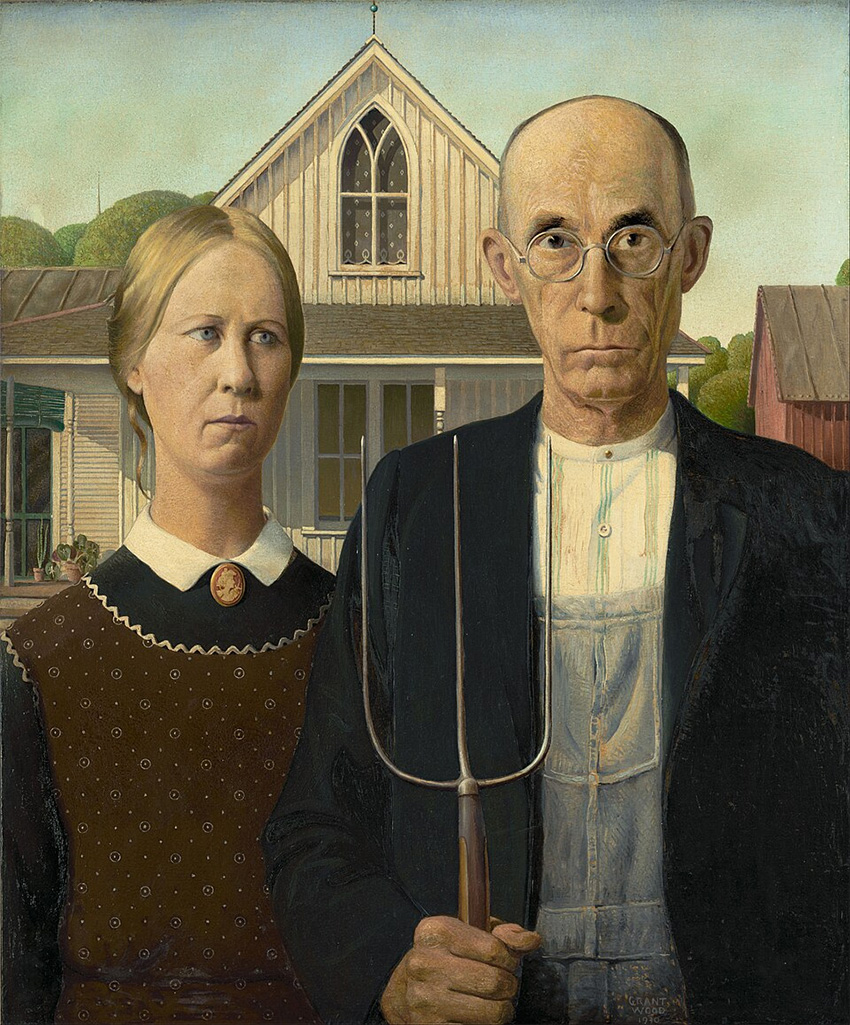
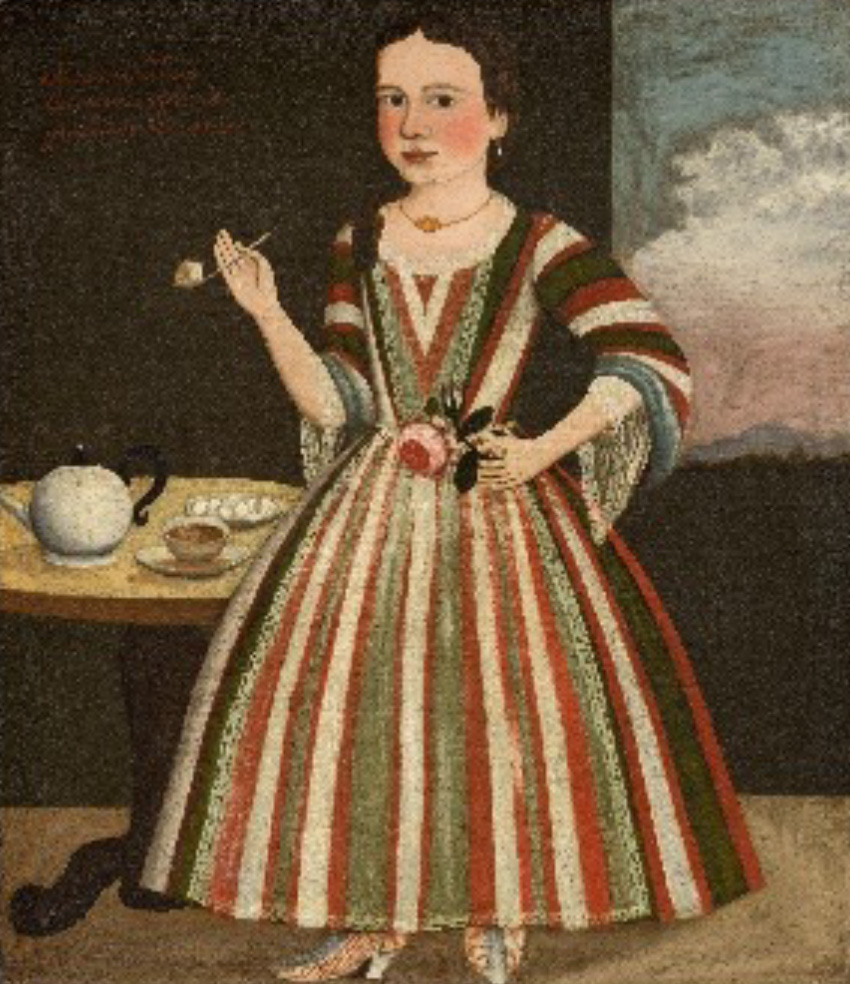
To celebrate the 250th anniversary of the Declaration of Independence in America, this lecture explores 25 iconic works of American art, including Grant Wood’s ‘American Gothic’, Dorothea Lange’s ‘Migrant Mother’ and Hopper’s ‘Nighthawks’.
It traces the history of America through paintings, sculptures, land art, and photography that exemplify vital moments in American history like the Gold Rush, the Civil War, Civil Rights movement, and so forth; key styles/movements like the Hudson River School, Regionalism, Abstract Expressionism, Pop Art; and showcases ground-breaking artists from the indigenous Native American peoples through to virtuoso portrait painter John Singleton Copley, Thomas Eakins, Hopper, Georgia O’Keeffe, Warhol, Kara Walker and many more.
Marie-Anne Mancio trained as an artist before gaining a PhD in Art and Critical Theory from the University of Sussex. She has lectured in art history for the City Lit, Tate Modern, the Course, Art in London, London Art Salon, Dulwich Picture Gallery, HENI films.
She also runs art history study tours abroad for ACE and is a Director of InFems art collective for whom she curates exhibitions and writes.
PREVIOUS LECTURES IN THE 2024-2025 SEASON
Recognise the Artist?
Chantal Brotherton-Ratcliffe
This lecture takes examples of a wide range of artists from the 15th, 16th 17th and 18th centuries, and will put into words what it is that tells us a picture is by Rubens rather than Rembrandt, or even, by Rubens rather than by, say, Van Dyck, who was taught by him and painted so very much like him.
The lecture uses photos of small details of paintings greatly enlarged, to demonstrate some of the distinctive quirks and give-away characteristics of artists from Mantegna and Bellini to Canaletto and Gainsborough. There will be tips and tricks of art-gazing to illustrate the enormous satisfaction of looking at an unfamiliar painting and realising that you can instantly recognise the artist.
Fu Lu Shou
Peter Le Rossignol
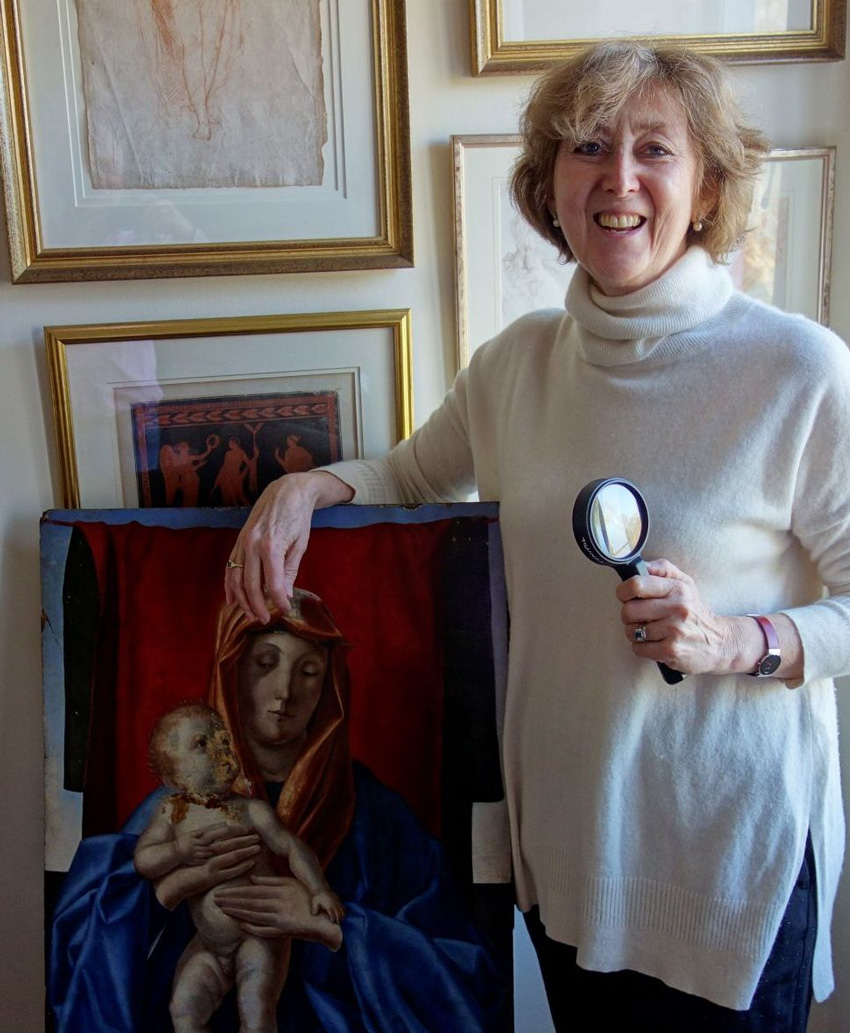
This lecture is an adventure from Peking to Shanghai via Jingdezhen, exploring the varieties of decorative arts that span thousands of years of Chinese history. Discover the secret of the porcelain manufacture of the Ming dynasty, bronze casting of the Han and the fabulous cinnabar lacquer of the early Ching.
The talk includes beautiful architecture, salt merchants’ influence on jade and book trade in 18th century China and incredible gold, glass and stone carving – in all, a veritable feast for the eye and mind.
Portraiture: Here’s Looking At You
Cindy Polemis
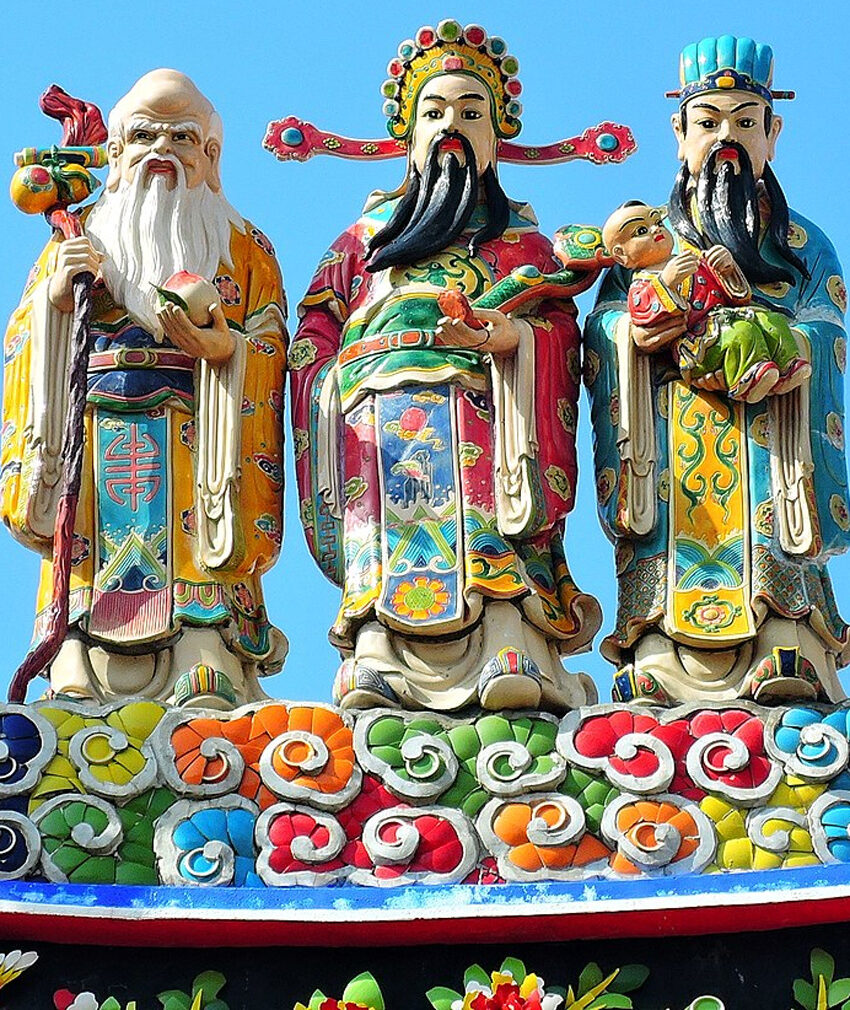
From the ancient world to artists like Tracey Emin and Lucien Freud, portraits have been used to show power, status, virtue, beauty, wealth & taste. I look at how portraiture has changed throughout the ages and how the genre shows us how to communicate with the past and present in exciting and surprising ways.
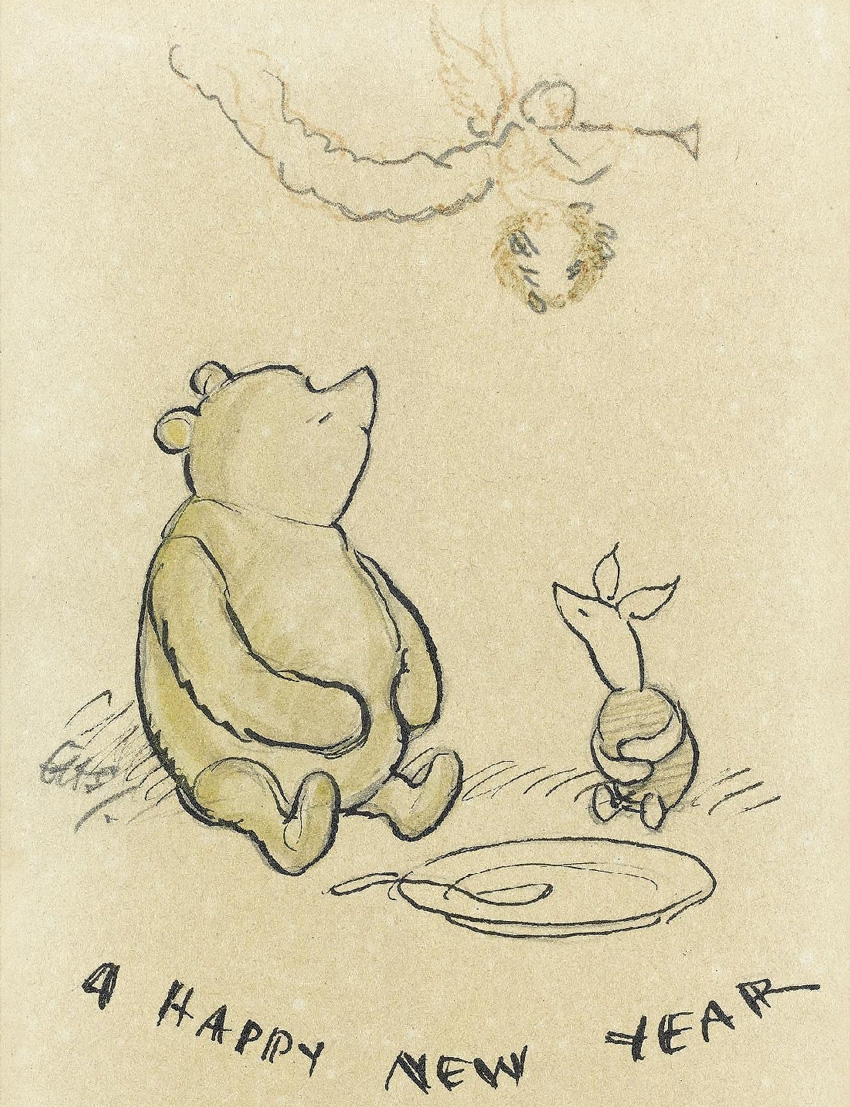
Shepard’s Christmas
James Campbell
E H Shepard loved Christmas, and this lecture describes, including his own words, much of the magic and joy of successive festive seasons, from those of his own childhood to others throughout his long life.
We see a range of artistic styles from full colour images to pen-and-ink personal Christmas cards, with cartoons, drawings and watercolours, some featuring the iconic images from the Wind in the Willows (the snow in the Wild Wood …) and Winnie-the-Pooh (Pooh and Piglet from The House at Pooh Corner).
Many of the images have not been published for over fifty years.
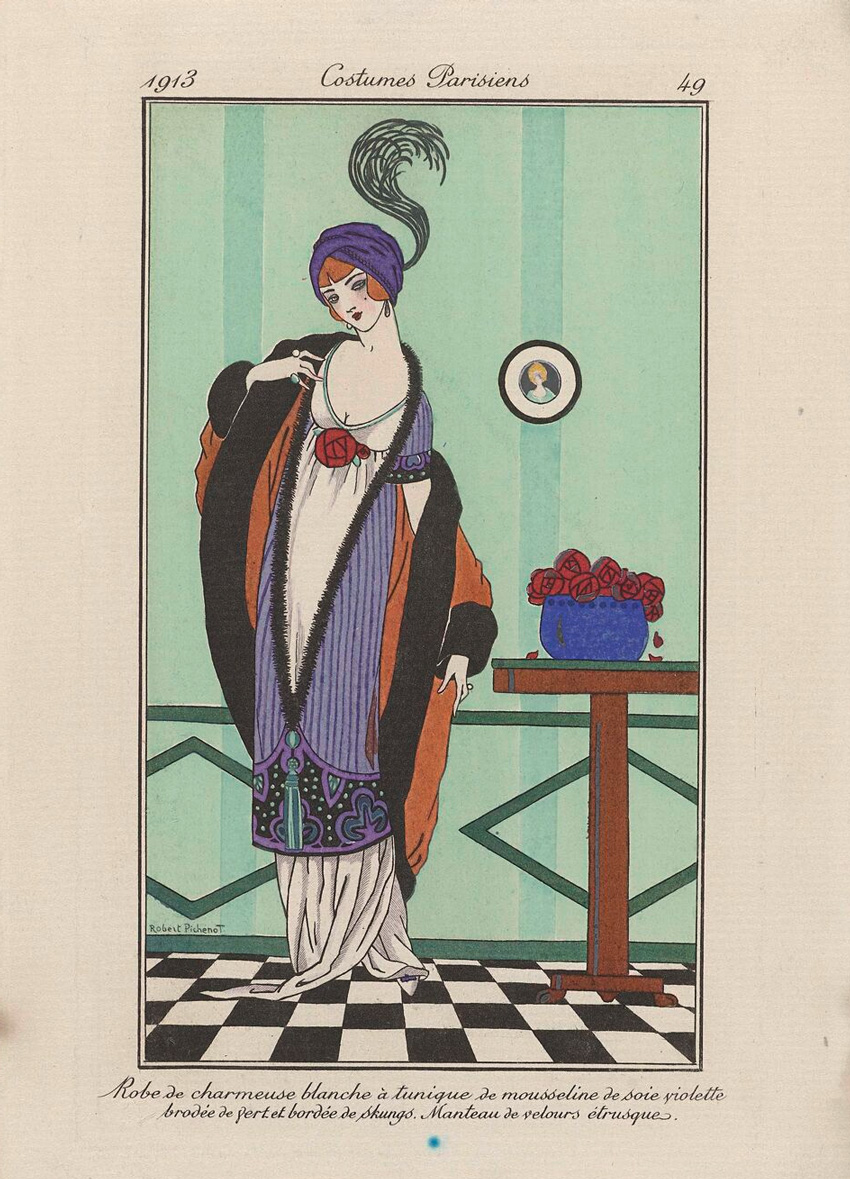
The Age of Jazz!
Art Deco Fashion and Style
Dr Sally Hoban
Art Deco swept across Europe and America in the 1920s, bringing with it a transformation in design. From brightly coloured, geometric patterns on fabrics, wallpapers and in book illustration to the soaring, elegant lines of New York skyscrapers. Art Deco helped to introduce Modernism to a mass audience.
Fashion design too was affected by the new style, bringing with it beaded ‘flapper’ dresses, fabulous handbags and bias-cut dresses. Hollywood was quick to reflect the new style, perhaps best epitomised in the films of Fred Astaire and Ginger Rogers. This lecture gives an overview of Art Deco style and design and also looks at the movement’s legacy today.
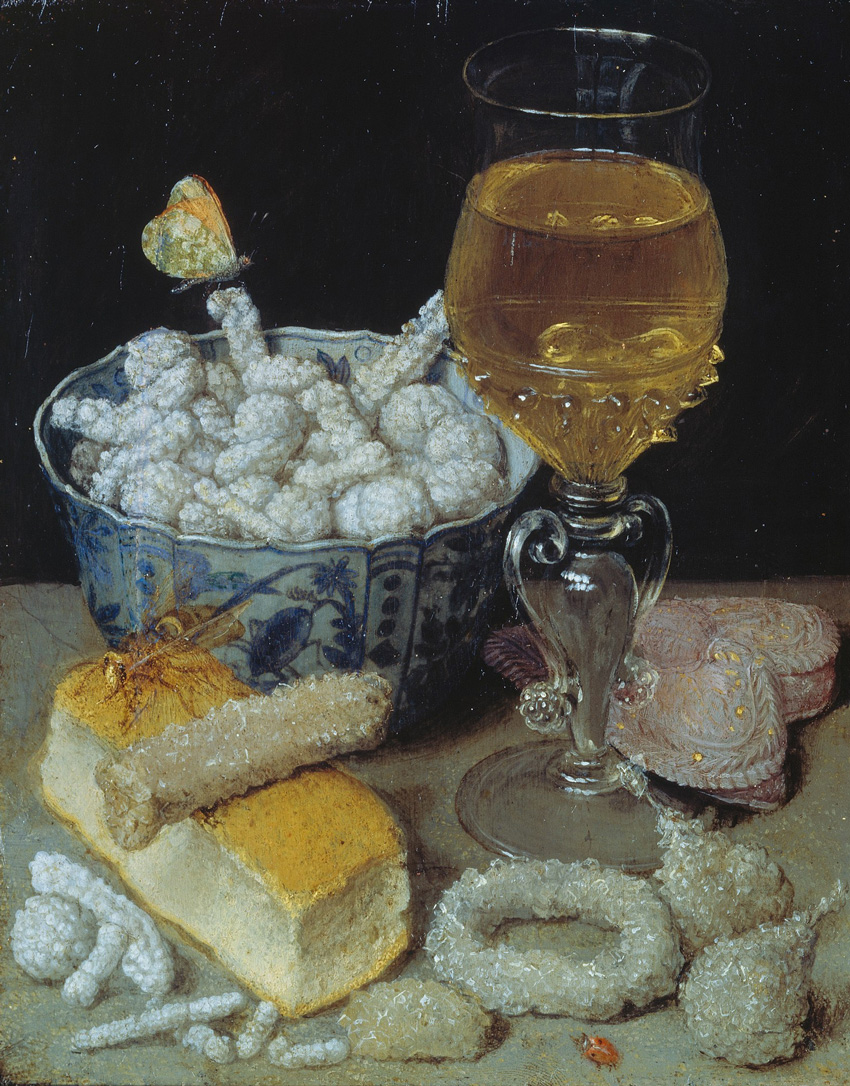
Caterpillars, Lemons and Lobsters: Dutch Still Life from 1560 – 1650
Dan Evans
When it comes to Dutch Flower paintings the only real expert in the field (often literally) is the insect that lives off the stems and petals. As Harry Berger puts it “the caterpillar is connoisseur”. From Meat Stalls to Mince Pies, and Bubbles to Bread Rolls, this lecture will help you to discover the enormous symbolism that is conveyed by simple everyday objects, that have been rendered with breath taking accuracy and convey really satisfying moral meaning. Examining works by Aertsen, Claesz, Steenwyck, de Heem, van Aelst and Mignon; we shall explore the corruption of abundance, the mutability and ephemerality of life and the inevitability of death
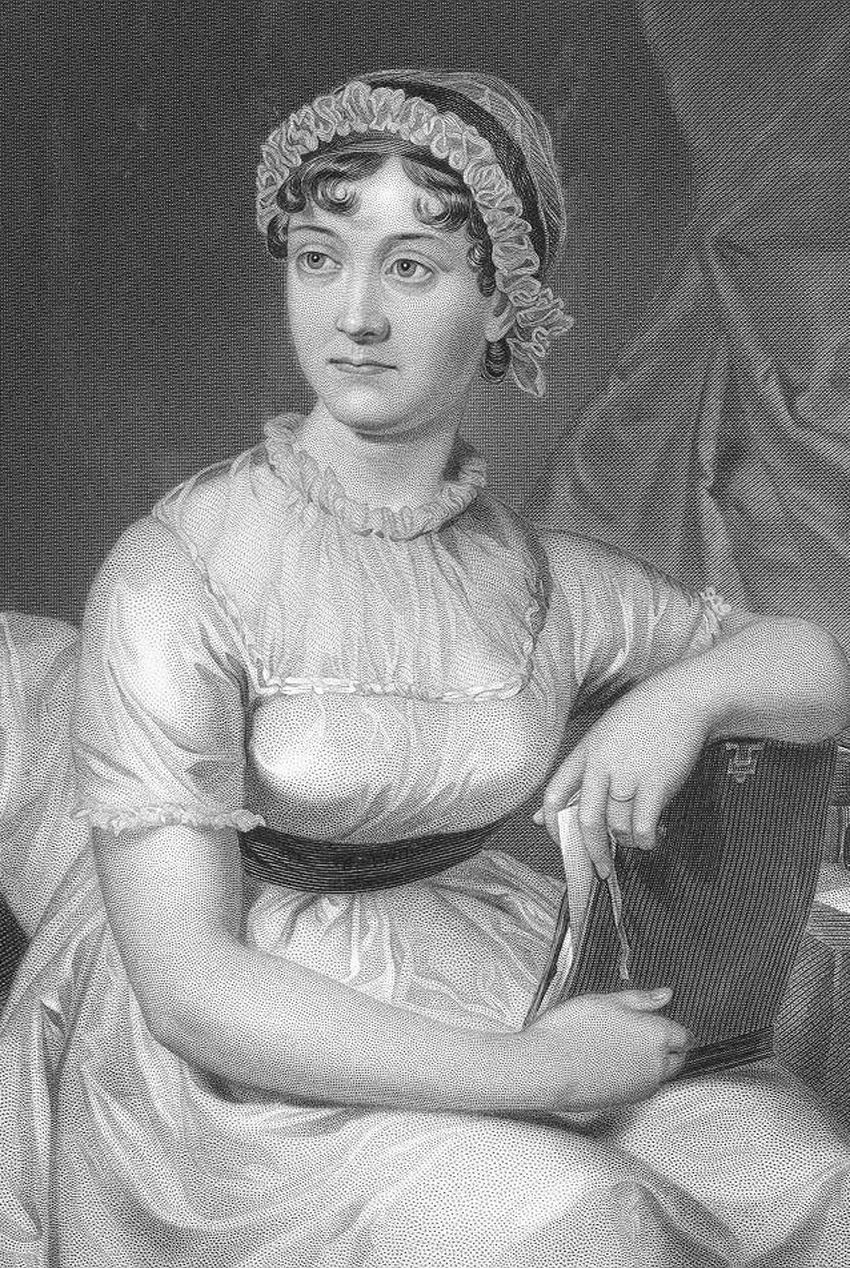
Becoming Jane Austen: The Making of a Literary Superstar
Annalie Talent
When Jane Austen declared that she wrote ‘only for fame’, she was, of course, being ironic: she published anonymously; there is no record on her gravestone that she was a writer; and her books fell out of print shortly after her death. But now, Jane Austen is one of our best loved authors, with legions of adoring fans throughout the world. Her novels have inspired countless stage and screen adaptations, and even provided solace to soldiers in the trenches. She is the face of the £10 banknote, and she adorns tea towels and fridge magnets everywhere. Jane Austen is now very famous indeed. But how did it all happen?
This lecture will chart Jane Austen’s rise to fame; it will explore the making of a literary celebrity and examine Austen’s legacy, 250 years after her birth.
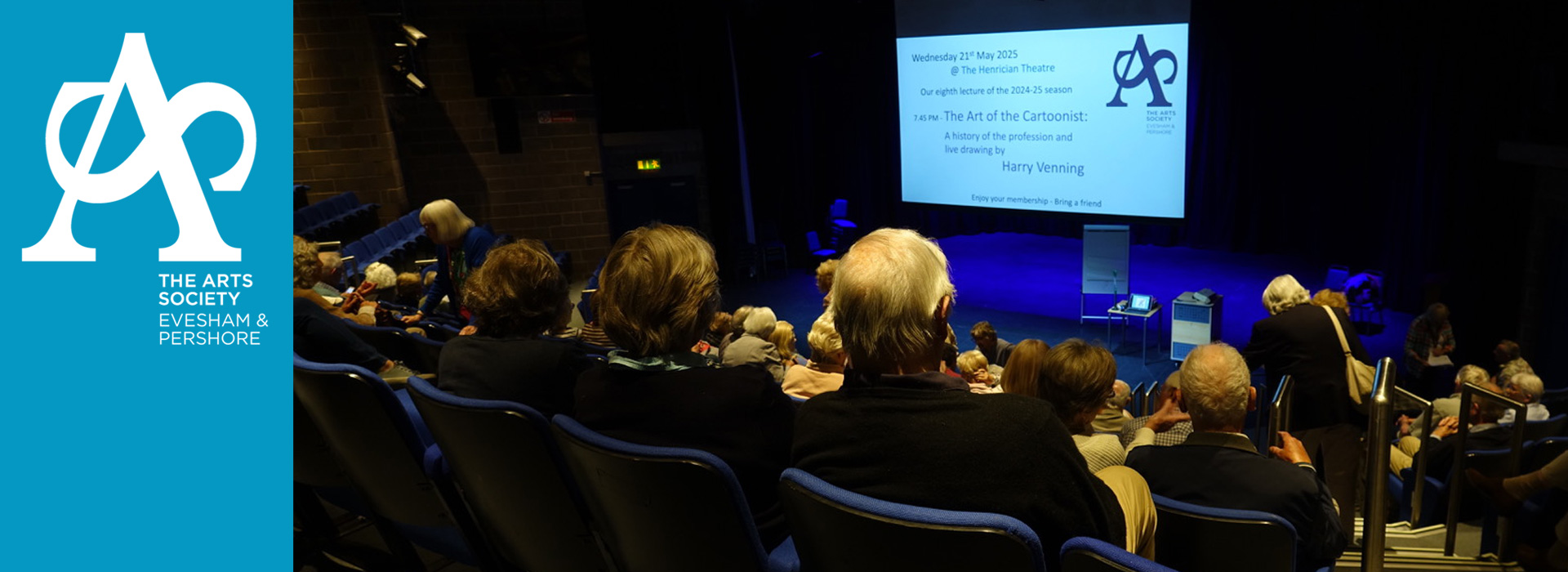
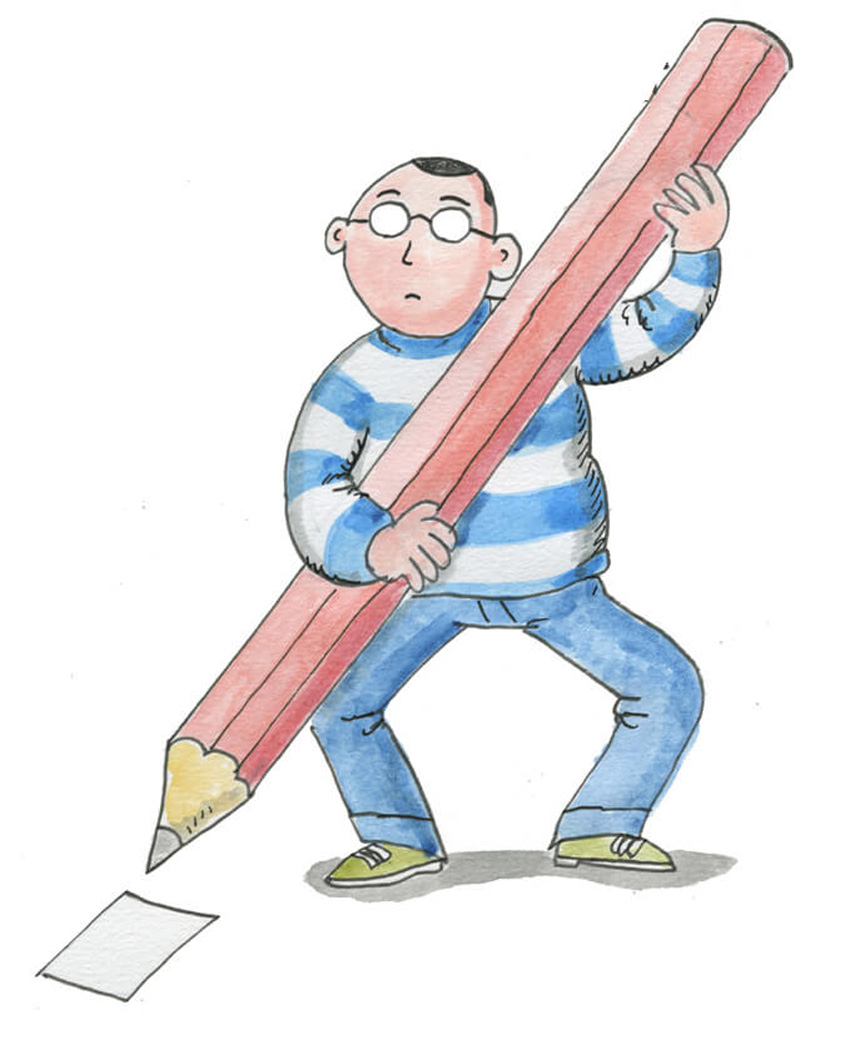
The Art of the Cartoonist
Harry Venning
In this lecture Harry will be tracing the history of his profession with examples from early practitioners like Cruickshank and Hogarth, to more contemporary artists such as Giles and Schulz, bringing events right up to date with cartoons produced fresh on the page that day! Yes, Harry will be drawing live.
Prepare to hear some tricks of his trade, learn where to put eyebrows for maximum effect and discover exactly what the eskimo brothers said in The Funniest Joke Ever (possibly).
West End Winners – The Rise of the British Musical from Coward to Bart
John Snelson
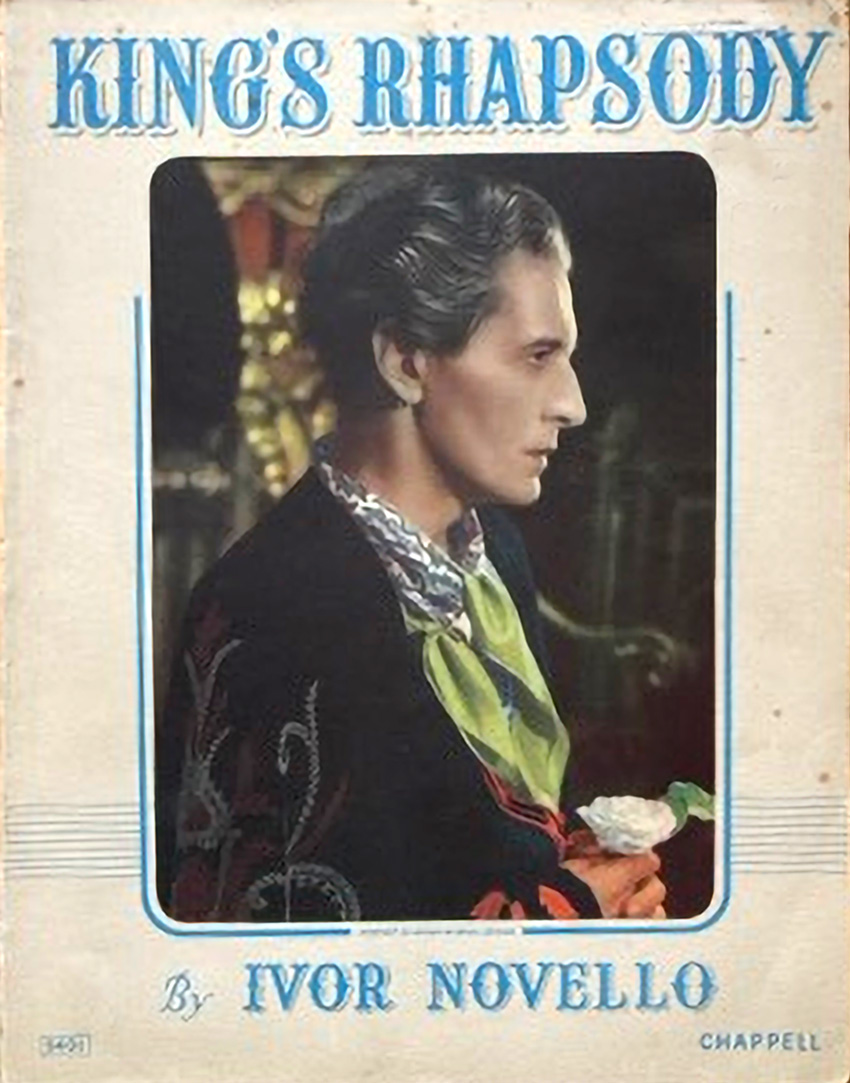
The British musical grew in its own unique way, with style, heart, guts and masses of fun. We are still entertained by revivals of Me and My Girl, The Boy Friend and Oliver!But what of the many more hit shows, such as Noel Coward’s Bitter Sweet, Ivor Novello’s King’s Rhapsody and the bitingly satirical Expresso Bongo, that are no longer staged?
This lecture rediscovers a distinctive West End story to give a new perspective on the shows and the people who made them. It’s an aspect of culture and personality unique to Britain – and fascinating in variety and success.